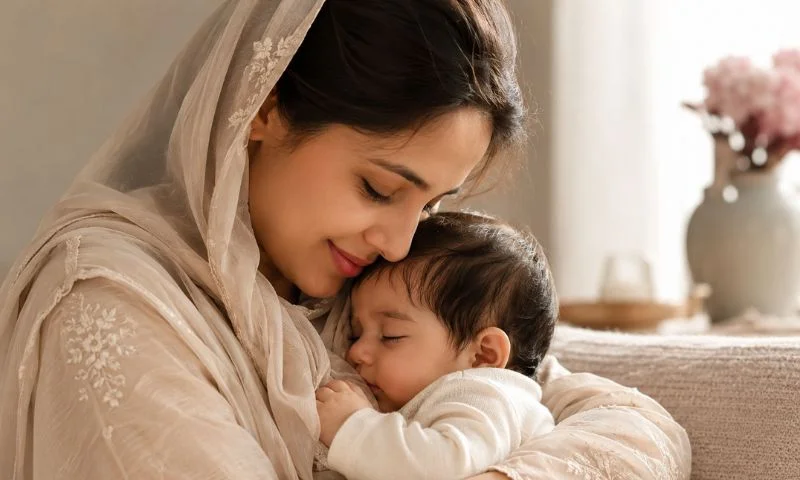
Every year, millions of people across the world pause for a moment to celebrate the women who shaped their lives with love, sacrifice and quiet resilience. Mother’s Day, now observed in more than 40 countries, has evolved into one of the world’s most emotional and widely embraced occasions. Families mark the day with flowers, gifts, handwritten notes and gatherings, while social media fills with tributes to mothers and maternal figures.
Yet the modern celebration began with a deeply personal story in the United States more than a century ago.
The modern version of Mother’s Day traces its roots to Anna Jarvis, an American activist who wanted to honor her late mother, Ann Jarvis. Ann Jarvis had spent years caring for wounded soldiers during the American Civil War and organizing “Mother’s Work Days” to improve public health conditions for women and children.
After her mother died in 1905, Anna Jarvis launched a campaign to establish a national day dedicated to mothers. The first official Mother’s Day service took place on May 10, 1908, at Andrews Methodist Episcopal Church in Grafton, West Virginia. Anna Jarvis sent 500 white carnations to honor her mother’s memory.
She believed mothers deserved recognition because, in her words, “a mother is the person who has done more for you than anyone in the world.”
In 1914, then US President Woodrow Wilson officially declared the second Sunday of May as Mother’s Day in the United States. The occasion later spread across Europe, Asia, Latin America and beyond.
From Churches to Social Media
Historians say celebrations honoring mothers existed long before the modern holiday. Ancient Greeks and Romans held festivals for mother goddesses, while Britain observed “Mothering Sunday” during Lent centuries ago.
Over time, Mother’s Day transformed into a global tradition shaped by local cultures and customs.
In the United States, Canada and many Asian countries, people usually celebrate with flowers, greeting cards and family meals. In parts of Europe, families attend church services and prepare traditional dishes for mothers.
Today, Mother’s Day ranks among the world’s biggest retail and social occasions. Analysts say spending on flowers, chocolates, restaurants and gifts reaches billions of dollars annually. The day also records some of the highest phone and video call traffic worldwide as families reconnect across borders.
Ironically, Anna Jarvis later opposed the commercialization of the holiday she created. She criticized companies for turning a heartfelt tribute into a profit-driven celebration. Jarvis once described Mother’s Day as becoming “a burdensome, wasteful, expensive gift-day.”
A Growing Tradition in Pakistan
In Pakistan, Mother’s Day gained wider popularity during the past two decades as television channels, schools, brands and digital platforms embraced the occasion.
While respect for mothers has always held deep cultural and religious importance in Pakistani society, public celebrations of Mother’s Day became more visible with the rise of social media and global media trends.
Schools organize special assemblies and tribute performances, while restaurants and brands launch campaigns centered on family bonding and appreciation for mothers. Pakistani celebrities, athletes and politicians also share personal messages and photos with their mothers every year.
Religious scholars in Pakistan often note that Islam places extraordinary emphasis on the status of mothers. One of the most quoted sayings of Prophet Muhammad (PBUH) states that “Paradise lies under the feet of mothers.”
That message continues to resonate strongly across the country.
For many Pakistanis, Mother’s Day is no longer just a Western celebration. It has become a moment to acknowledge sacrifices often made quietly behind closed doors by mothers who spend decades caring for families without seeking recognition.
In cities like Karachi, Lahore and Islamabad, florists, bakeries and gift shops now witness major increases in sales during the week leading up to Mother’s Day. At the same time, many families choose simpler gestures such as handwritten letters, home-cooked meals or spending time together.
More than a commercial event, the day remains a reminder of unconditional love, patience and emotional strength.
And despite changing trends and modern celebrations, the central message behind Mother’s Day remains unchanged: honoring the women who hold families together through every hardship and triumph.