

The United States, United Kingdom and Canada have updated their travel advisories for several Gulf countries and Jordan, urging citizens to exercise greater caution as renewed military activity in the Middle East raises security concerns and disrupts air travel.
The revised advisories cover the United Arab Emirates, Saudi Arabia, Kuwait, Bahrain, Oman, Qatar and Jordan. Officials have also urged travellers to check flight schedules directly with airlines before leaving for the airport after cancellations and reduced services on several regional routes, particularly between the UAE and Kuwait.
Kuwait, Bahrain Face Highest Immediate Concerns
The US Embassy in Kuwait said the regional security environment remains complex and advised Americans to “reconsider travel” to the country. It also urged travellers to visit airline websites or contact carriers directly for flight updates, adding that the embassy is currently providing only limited emergency services to US citizens. The US State Department continues to classify Kuwait under a Level 3 advisory because of the threat of armed conflict and ongoing disruptions to commercial aviation.
The UK government said Kuwait International Airport continues operating through Terminals 4 and 5 for Kuwait Airways and Jazeera Airways, while Terminal 1 remains closed. Authorities also confirmed reduced flight schedules and advised passengers to confirm travel plans with their airlines before departure. Canada has similarly advised its citizens to avoid non essential travel to Kuwait because of regional tensions.
In Bahrain, the US Embassy issued a fresh security alert on July 20 after receiving information suggesting Iran could seek to target unspecified locations in central Manama. Americans were instructed to remain vigilant and follow local authorities’ guidance.
The embassy warned, “If you hear an explosion or emergency siren, seek cover immediately, move away from windows and avoid approaching missile or drone debris.”
The warning came after Bahrain activated emergency sirens, with the Interior Ministry asking residents to remain calm and move to the nearest safe location. The UK described the regional situation as unpredictable, warning that attacks “could resume at short notice.” Canada also continues to advise against non essential travel to Bahrain.
Saudi Arabia, UAE and Jordan Also Under Updated Guidance
Washington has also advised Americans to “reconsider travel” to Saudi Arabia and the wider Middle East because of the risk of further escalation. Non emergency US government employees and their families remain outside the Kingdom, while emergency consular services continue.
The UK maintained its advisory against all travel within 10 kilometres of the Saudi Yemen border and against all but essential travel to areas between 10 and 80 kilometres from the frontier. British authorities also warned that Houthi forces have previously targeted Saudi airports and critical infrastructure. Canada updated its advisory on July 17, urging citizens to avoid non essential travel to Saudi Arabia.
Jordan also received updated guidance after the UK advised against all but essential travel to Aqaba International Airport and the city’s seaport. London also maintained its warning against all travel within three kilometres of Jordan’s border with Syria following recent missile interceptions and heightened regional tensions.
The United States has also advised Americans to reconsider travel to the UAE, citing the possibility of “unforeseen escalation.” Non emergency US government personnel remain outside the country and non emergency visa services are suspended. Similar guidance applies to Oman and Qatar, where US officials have encouraged travellers to identify the nearest shelter, monitor local instructions and consider alternative departure arrangements if conditions deteriorate.
Travellers Told to Monitor Flights Closely
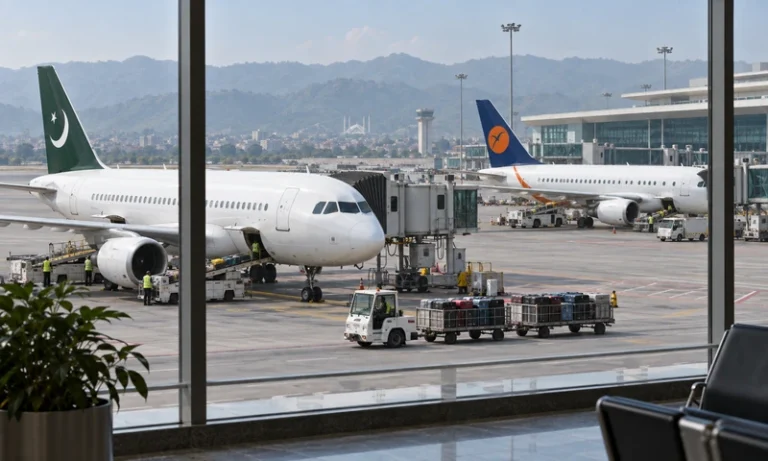
Authorities in all three countries have urged travellers to confirm flight status directly with airlines before heading to airports, particularly for services involving Kuwait or destinations affected by reduced schedules. Officials also advised passengers to keep travel documents readily available, maintain communication with family members, keep mobile phones charged and immediately follow local emergency instructions if security alerts or sirens are activated.
The updated advisories come as renewed fighting between the United States and Iran has prompted broader aviation warnings, with European aviation regulators also advising airlines to avoid parts of Gulf airspace because of the heightened risk posed by missile and drone activity.