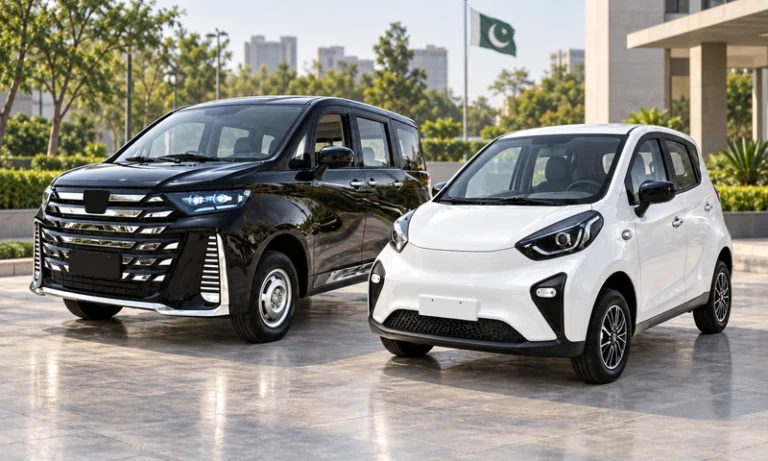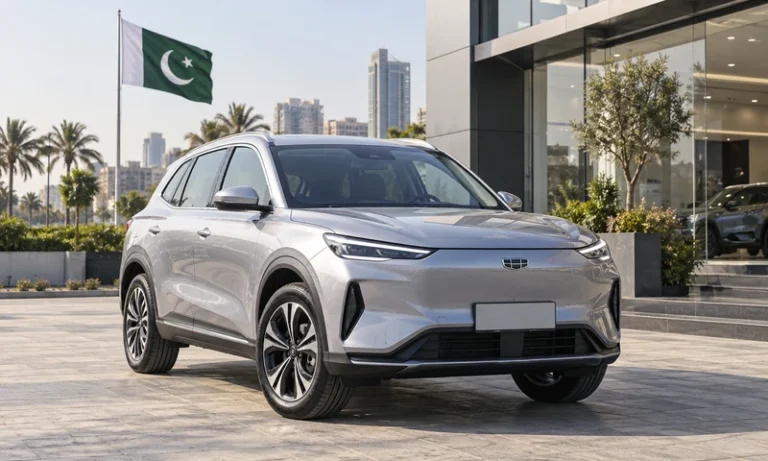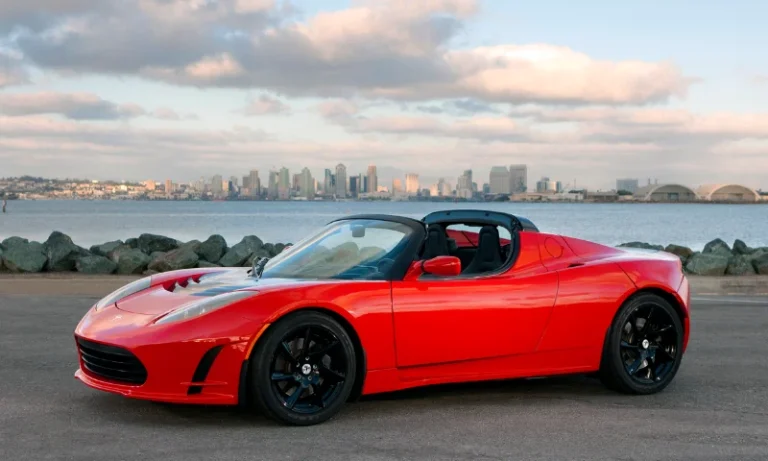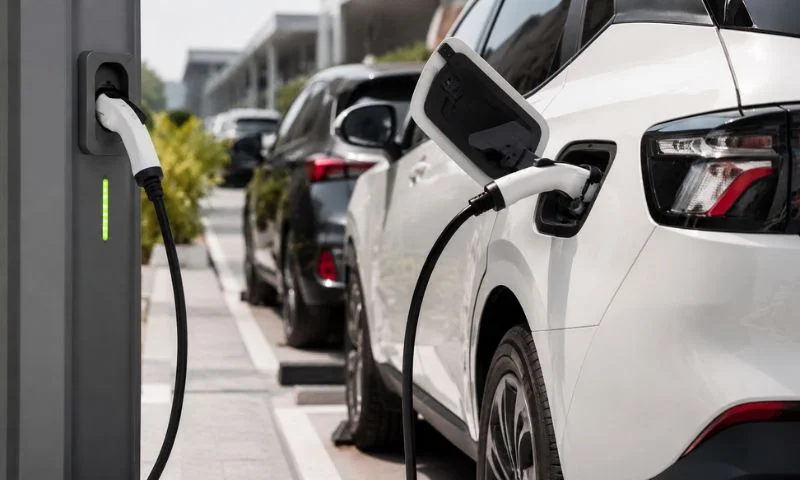
Pakistan is likely to impose up to 25 percent sales tax on imported electric vehicles in the upcoming Budget 2026-27, while maintaining existing tax rates on hybrid vehicles, according to officials familiar with budget proposals.
The move comes as several tax concessions for the electric vehicle sector approach their expiry date on June 30, 2026. The government is reviewing incentives introduced under its electric mobility strategy and the Automotive Industry Development and Export Policy (AIDEP) 2021-26.
Sources told Business Recorder that the sales tax exemption on the import of completely knocked down kits for electric vehicles by local manufacturers will lapse at the end of the current fiscal year.
The exemption currently covers small electric cars and sport utility vehicles with battery capacities of up to 50 kWh. It also applies to light commercial vehicles with battery capacities of up to 150 kWh.
At present, locally manufactured or assembled electric four-wheelers benefit from a one percent sales tax rate. The concession remains valid until June 30, 2026.
Hybrid vehicles also enjoy preferential treatment. Depending on engine size and specifications, locally assembled hybrid vehicles currently attract sales tax rates ranging from 8.5 percent to 12.75 percent.
Sources said the government is not considering changes to hybrid vehicle taxation in the next fiscal year. The proposal reflects concerns raised by industry stakeholders who have warned against abrupt policy changes that could discourage investment in local vehicle assembly.
Senate Panel Clears Customs Amendment Bill
The Senate Standing Committee on Finance has already approved the Customs (Amendment) Bill, 2026. The legislation aims to implement financial provisions contained in the Automotive Industry Development and Export Policy 2021-26.
According to official documents, the amendments seek to align customs concessions available under AIDEP with provisions listed in Part V(A) of the Fifth Schedule to the Customs Act, 1969.
The committee unanimously endorsed the bill after detailed deliberations.
Read More: Five New Chinese EVs in The Price of One Car in US: The Price Gap Shaking the Auto Industry
Pakistan introduced major incentives for electric vehicles under the EV Policy 2020. The federal cabinet approved the policy on June 16, 2020, to encourage green transportation, reduce fuel imports and support local manufacturing.
The policy granted concessional customs duty on imports of EV-specific parts for electric motorcycles, rickshaws, buses, trucks and other commercial vehicles.
In December 2021, the federal cabinet expanded these concessions through AIDEP 2021-26. The policy extended benefits to light commercial vehicles, vans and additional four-wheeler categories.
Industry Awaits Clarity on Future EV Incentives
The proposed customs amendments would continue duty concessions on the import of electric vehicle parts and components until June 30, 2026.
The package also allows manufacturers to import completely built electric vehicles under specific conditions. Companies can import up to 10 units of the same variant for local assembly and manufacturing purposes. For electric two- and three-wheelers, the concession applies to a maximum of 200 units approved by the Engineering Development Board under the EV Policy 2020.
Industry experts say the upcoming budget will determine whether Pakistan accelerates its transition to electric mobility or slows adoption through higher taxation on imported vehicles.
The government has promoted electric vehicles as part of its broader strategy to reduce dependence on imported petroleum products and lower transport-related emissions. However, fiscal pressures and the need to increase revenue have forced policymakers to review several tax exemptions ahead of Budget 2026-27.
With budget proposals expected later this week, investors, automakers and consumers now await final decisions on the future of electric vehicle incentives in Pakistan.