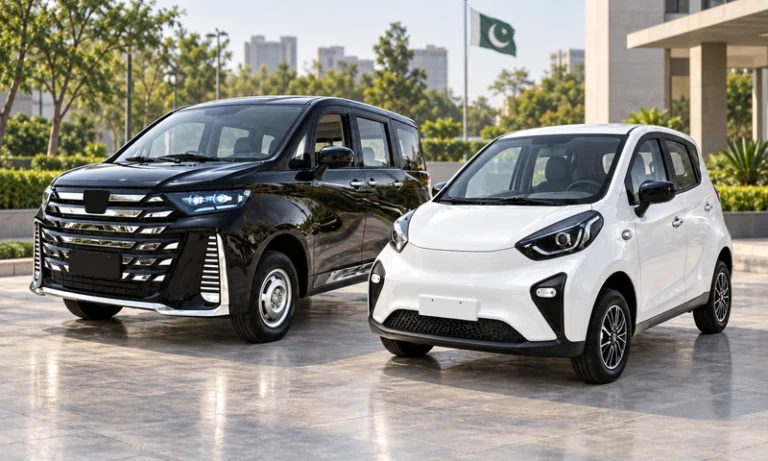
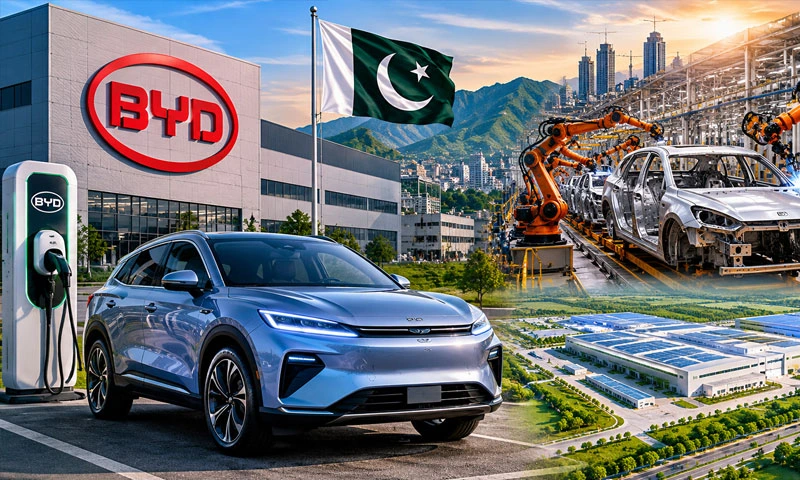
Chinese electric vehicle giant BYD has started developing a large-scale electric vehicle manufacturing hub in Pakistan, marking one of the most significant investments yet in the country’s emerging EV industry.
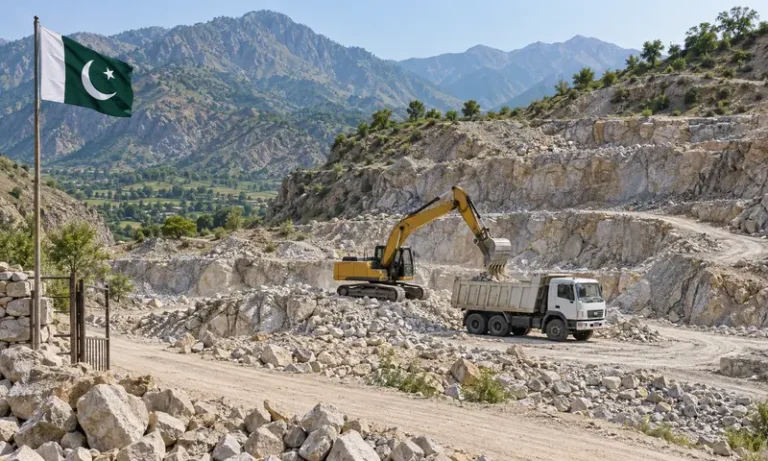
The project will cover approximately 73 acres and is expected to support local vehicle assembly, battery-related production and the development of a broader electric mobility ecosystem.
Industry experts view the investment as a major step toward strengthening Pakistan’s automotive sector and reducing reliance on imported fuel-powered vehicles.
BYD has emerged as one of the world’s largest electric vehicle manufacturers and has increasingly expanded its international footprint. The company recently overtook Tesla in global EV sales and continues to grow across Asia, Europe, Latin America and the Middle East.
The new facility in Pakistan reflects rising interest among international investors in the country’s long-term electric vehicle potential.
Officials and industry stakeholders believe the project could help accelerate the transition toward cleaner transportation while supporting industrial growth and technology transfer.
Pakistan Bets on Electric Mobility
Pakistan has identified electric vehicles as a key component of its long-term energy and environmental strategy.
Successive governments have introduced incentives aimed at encouraging EV adoption, including reduced duties on electric vehicles, charging infrastructure initiatives and support for local manufacturing.
Rising fuel prices and growing environmental concerns have also increased public interest in electric mobility.
The proposed BYD facility is expected to contribute to local assembly operations and may eventually support battery-related manufacturing activities, a critical component of the global EV supply chain.
Analysts say local production could help reduce vehicle costs, improve accessibility and encourage wider adoption of electric vehicles in Pakistan.
The investment could also strengthen Pakistan’s position in regional automotive manufacturing, particularly as countries across South Asia increase efforts to develop domestic EV industries.
Jobs, Technology and Investment Opportunities
Industry observers expect the project to create substantial employment opportunities during both the construction and operational phases.
The facility may generate jobs in manufacturing, engineering, logistics, maintenance and technical services.
Experts also highlight the potential for technology transfer through partnerships with local suppliers and automotive companies.
The expansion comes as BYD continues to strengthen its global manufacturing network. The company has invested heavily in battery technology and electric vehicle production facilities worldwide.
Pakistan’s automotive sector has traditionally relied on conventional vehicles assembled by local and international manufacturers. However, the rapid global shift toward electrification is creating new opportunities for investment and innovation.
Stakeholders believe the BYD project could encourage other international EV manufacturers to consider Pakistan as a production and distribution hub.
If completed as planned, the manufacturing complex would represent a significant milestone for Pakistan’s clean transportation ambitions and could help accelerate the development of a modern electric vehicle ecosystem.
The project also aligns with broader efforts to attract foreign direct investment into high-value manufacturing sectors while supporting sustainable economic growth.