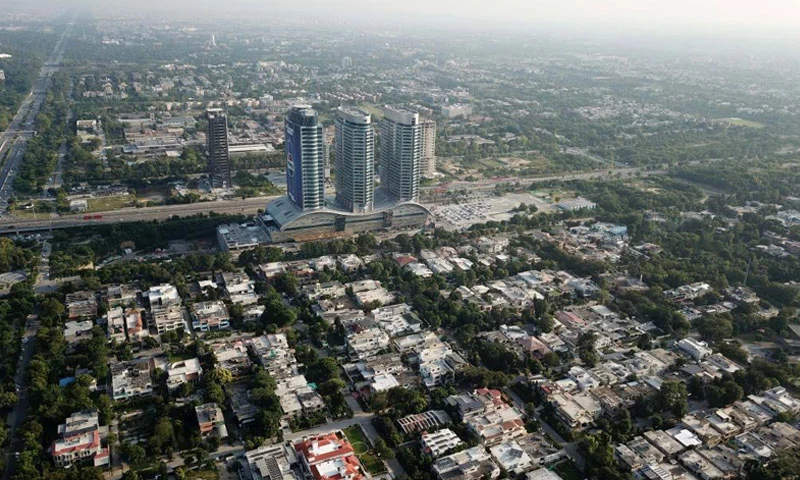
The Federal Board of Revenue has reduced property valuation rates in Islamabad by 30% to 35%, in a move that is expected to ease pressure on buyers and revive sluggish real estate activity in the federal capital.
The revised valuation tables, issued this week, apply to both residential and commercial properties across multiple sectors, marking a significant shift from earlier rates that had drawn criticism for being out of sync with market realities.
Broad Cuts Across Key Sectors
According to the updated notification, the valuation rate for residential and commercial superstructures up to five years old in Islamabad’s older sectors has been reduced from Rs3,000 to Rs2,500 per square foot. For buildings older than five years, rates have been lowered from Rs1,500 to Rs1,200 per square foot.
The cuts extend across several sectors. In B-17 and C-14, possession-based residential plots have been reduced from Rs30,000 to Rs21,000 per square yard, while non-possession plots in B-17 have dropped from Rs15,000 to Rs10,500.
Similarly, in C-15, rates have been brought down from Rs25,000 to Rs17,500 per square yard, while in C-16 they now stand at Rs14,000, down from Rs20,000. In D-12, the price of constructed residential flats has been reduced to around Rs10,500 per square foot, reflecting a substantial downward revision.
In G-series sectors, reductions are also visible, with G-13 falling from Rs100,000 to Rs70,000 per square yard and G-17 cut to Rs17,500. Areas like Margalla Town, Chak Shahzad and Banigala have also seen notable declines.
However, prime locations such as E-7 and E-11 continue to retain relatively high valuation brackets, indicating that high-end sectors remain less affected by the revision.
Policy Shift After Market Pushback
The latest move comes after months of criticism from real estate stakeholders who argued that earlier valuation hikes had artificially inflated tax liabilities and discouraged transactions.
Earlier in 2026, the FBR had increased property values by up to 75% to align them closer to market rates, but the decision faced resistance from developers and investors.
The tax authority later revisited its approach, with officials acknowledging that some valuations exceeded actual market prices. The revised cuts are seen as a corrective measure aimed at restoring balance between taxation and market dynamics.
For rural areas of Islamabad, valuation will continue to be governed by rates set by the Additional Deputy Commissioner or District Collector, as per existing notifications.
Impact on Buyers, Sellers and Tax Collection
Analysts say the reduction could lower transaction costs, as property taxes, withholding taxes and capital gains taxes are often linked to FBR valuation rates rather than actual market prices.
This could encourage buyers to re-enter the market and increase documented transactions, which have slowed in recent months due to higher costs.
At the same time, the government is expected to balance the revenue impact through improved compliance and higher transaction volumes. The FBR has been attempting to gradually bring property valuations closer to real market values to reduce under-reporting and widen the tax base.
The latest revision signals a more flexible approach by authorities as they navigate between revenue targets and market sustainability.