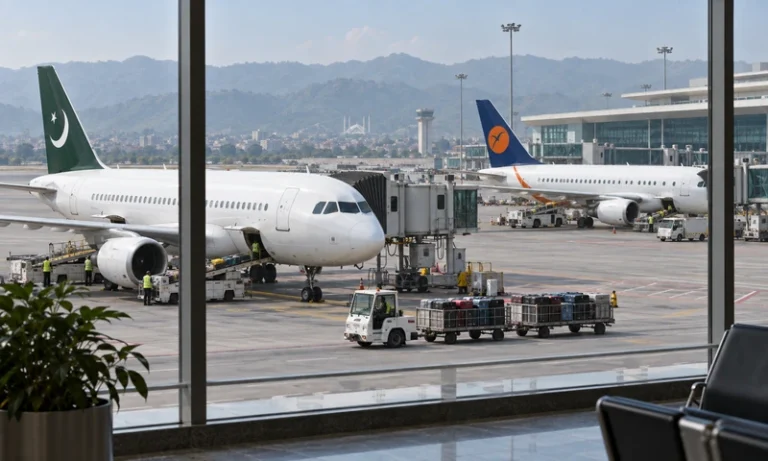


The global airline industry faces a sharp rise in fuel expenses this year after the conflict involving Iran triggered turbulence in energy markets, pushing jet fuel prices significantly higher and squeezing already thin profit margins.
The International Air Transport Association (IATA) estimates that airlines will spend an additional $100 billion on jet fuel in 2026, a development that could cut industry profits nearly in half despite strong passenger demand.
According to IATA, global airline net profits are expected to fall from $43 billion in 2025 to $23 billion this year. Average profit margins could drop from 4.2% to just 2%, underscoring the financial pressure confronting carriers worldwide.
IATA Director-General Willie Walsh said the industry remains vulnerable to external shocks because airlines operate on “wafer-thin margins.”
The warning comes as aviation companies continue to recover from the financial damage caused by the Covid-19 pandemic while also coping with supply chain disruptions and aircraft delivery delays.
Fuel Price Surge Hits Airlines
The latest challenge emerged after the Iran conflict disrupted global energy markets and intensified concerns about the security of the Strait of Hormuz, one of the world’s most important oil shipping routes.
Brent crude oil prices climbed sharply during the conflict. Market benchmarks rose from just above $70 per barrel to as high as $120 before retreating to around $93.
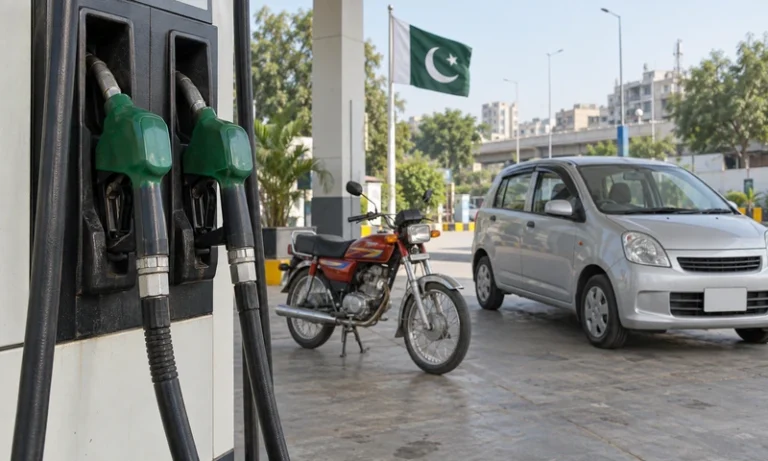
The volatility had a direct impact on aviation fuel.
Industry data cited by IATA showed that jet fuel prices doubled during the initial phase of the crisis before easing later in the year. Even after the correction, average fuel prices remain around 70% higher than earlier levels.
Fuel traditionally accounts for one of the largest expenses for airlines. Analysts estimate it can represent between 25% and 35% of total operating costs depending on market conditions and route networks.
The higher costs have raised concerns about ticket prices, profitability and the pace of industry expansion.
Despite the pressure, IATA said consumer demand for air travel remains relatively strong. Surveys indicate that many passengers expect airfare increases to reflect rising oil prices, while nearly half anticipate spending more on travel this year.
Ageing Aircraft Add to Industry Burden
Airlines also face mounting operational challenges because manufacturers continue to struggle with production delays.
Walsh said the average age of the global airline fleet has now exceeded 15 years, the highest level on record.
Aircraft manufacturers and engine suppliers face a backlog of approximately 18,000 orders, forcing many carriers to keep older aircraft in service longer than planned.
According to IATA, ageing fleets increase fuel consumption, maintenance requirements and leasing expenses.
Walsh estimated that older aircraft alone will add around $11 billion in fuel costs during 2025.
He urged aircraft and engine manufacturers to improve reliability and accelerate deliveries, warning that continued production failures would be “unacceptable” for the industry’s long-term stability.
While airlines remain profitable overall, the combination of higher fuel bills, ageing fleets and supply chain bottlenecks has created a challenging environment for an industry still rebuilding after years of disruption.