

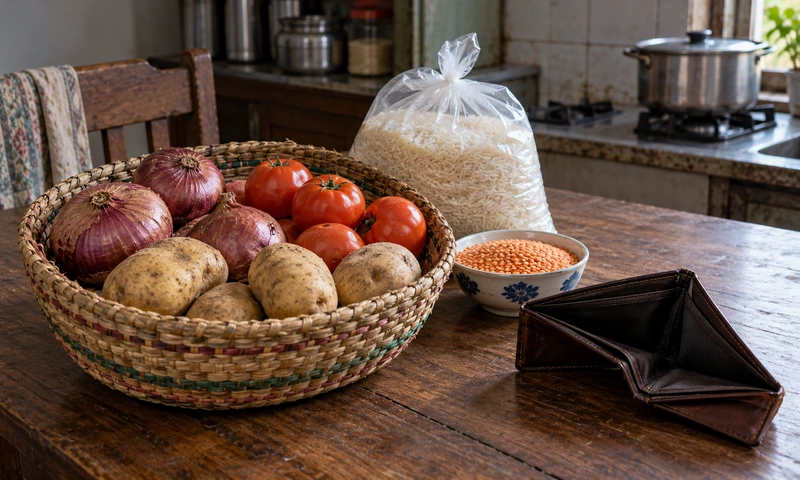
Pakistan’s finance ministry projects inflation at 9.5% to 10.5% for October 2026 as elevated energy and food prices sustain pressure on households. However, it expects a promising economic outlook for fiscal year 2026-27, supported by a stable rupee and stronger foreign currency inflows.
September inflation stood at 10.3%, compared with 5.8% a year earlier, according to the supplied report. October’s forecast therefore allows for either modest easing or a slight increase.
“Headline inflation (the benchmark CPI/Consumer Price Index) is projected in the range of 9.5 to 10.5% for October 2026, with the subsequent path sensitive to international energy prices, food supplies and base effects.”
The ministry outlined its assessment in the Monthly Economic Update and Outlook October 2026. It linked domestic price pressures to global trends.
Official Pakistan Bureau of Statistics figures put September’s exact annual inflation rate at 10.26%. Consumer prices rose 1.27% from August. Average inflation reached 10.20% during July–September FY27. Transport prices climbed 27.43% annually, while food and non-alcoholic beverages rose 8.20%. Housing, water, electricity, gas and other fuels increased 12.39%. These figures show the pressure on essential household spending.
Despite these challenges, the ministry identified several sources of economic momentum.
“The recovery in the ongoing FY27 is expected to draw support from improving crop prospects, selected manufacturing industries, domestic construction activity and expanding external earnings,” it said.
Stronger agricultural production should support food processing, rural incomes and trade. Machinery imports should expand productive capacity as investment projects advance. Growing services exports and workers’ remittances should also strengthen foreign exchange earnings and household incomes.
The ministry said stronger reserves and wider access to external financing were improving conditions for recovery. It also highlighted fiscal discipline and structural reforms.
“Fiscal policy remains focused on preserving stability through stronger revenue mobilisation, prudent expenditure management and targeted support for the vulnerable segment. The fiscal surplus provides a useful starting point…Continued progress on tax administration, energy efficiency, and state-owned enterprise reform is expected to support a durable expansion while containing pressures on the external account,” it said.
During July–September, Pakistan continued to consolidate macroeconomic stability. The ministry said “stronger external inflows helped sustain the recovery amid the ongoing Middle East crisis and higher international energy prices”.
Improved external financing marked the quarter’s most encouraging development, according to the report. Successful sovereign Eurobond issuance and higher foreign direct investment supported that improvement.
Strong remittance growth and expanding services exports provided a continuing stream of non-debt earnings. These inflows complemented external borrowing and investment.
“Backed by these buffers, the rupee remained stable, reinforcing confidence in the economy’s ability to meet its external obligations and absorb external shocks.”
The ministry’s assessment nevertheless leaves the inflation outlook dependent on energy markets, food availability and base effects. Its October projection remains a forecast, rather than a final inflation reading.