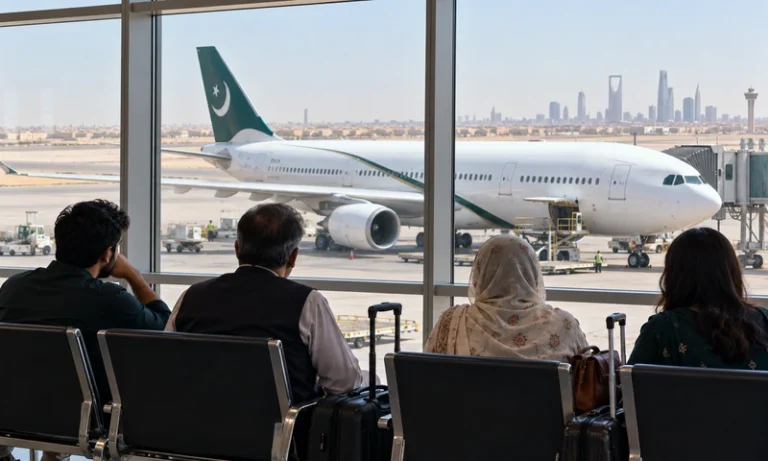
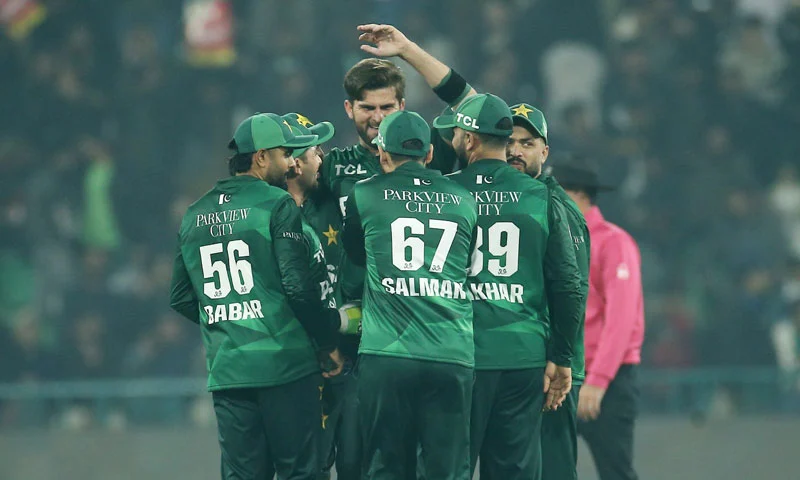
Pakistan’s national cricket team has departed for the ICC Men’s T20 World Cup with a clear mandate: compete fully in the tournament while upholding the state’s decision to not play the scheduled group-stage match against India on February 15. The move, taken on the directives of the Government of Pakistan, reflects a principled stance rather than a sporting withdrawal, as the team remains committed to all other fixtures in the global event.
Footage released by the Pakistan Cricket Board (PCB) showed players leaving for Sri Lanka in high spirits, underlining that the boycott decision is administrative and political in nature, not a reflection of the team’s readiness or intent to compete. Pakistan will play its remaining group matches as scheduled and has reiterated its focus on on-field performance.
A State Decision, Not a Cricketing One
Pakistan’s position has been consistent: the decision regarding the India match was taken at the state level, and the PCB and players are bound to follow government policy. Captain Salman Ali Agha acknowledged this reality, stating:
“It’s not our decision. We will do whatever our government and the PCB chairman instruct us to do.”
آئی سی سی مینز ٹی ٹونٹی ورلڈ کپ
قومی سکواڈ لاہور سے سری لنکا کے لیے روانہ
پندرہ کھلاڑیوں پر مشتمل قومی سکواڈ میں کپتان سلمان علی آغا، ابرار احمد ، بابر اعظم ، فہیم اشرف ، فخر زمان شامل
خواجہ محمد نافع ، محمد نواز ، محمد سلمان مرزا ، نسیم شاہ ، صاحبزادہ فرحان ، صائم ایوب ،… pic.twitter.com/u9TReOr3zU
— PCB Media (@TheRealPCBMedia) February 2, 2026
From Pakistan’s perspective, this places the issue squarely in the domain of sports diplomacy, where similar precedents already exist. India itself has repeatedly declined to tour Pakistan or play matches on Pakistani soil in the past, leading to neutral-venue and hybrid arrangements that were accepted by the ICC and other governing bodies without punitive action.
ICC’s Response and the Question of Consistency
The International Cricket Council has expressed concern over what it termed “selective participation,” but Pakistan maintains that state-directed decisions cannot be equated with unilateral sporting defiance. Officials and analysts in Pakistan argue that the ICC now faces a test of consistency in how it applies its regulations, especially given past accommodations made for other member boards.
Crucially, the ICC has so far not announced any sanctions beyond the standard walkover provisions outlined in tournament rules. Under those rules, a forfeited match results in points being awarded to the opposing team — a sporting consequence Pakistan accepts — but does not restrict participation in the rest of the tournament.
Pakistan’s World Cup Campaign Remains Intact
Despite the boycott, Pakistan’s qualification prospects remain firmly within its own control. With multiple group matches still to be played, victories against other opponents can comfortably secure progression to the knockout stage. Former players and analysts have noted that World Cups are decided by consistent performances, not single fixtures.
Pakistan enters the tournament with confidence, having recently completed a clean sweep T20 series win against Australia, reinforcing belief in the squad’s depth and form.
From Islamabad’s standpoint, the decision sends a broader message: Pakistan is prepared to participate in global sport, but not at the cost of compromising state policy or accepting selective pressure. As the World Cup unfolds, attention is likely to remain on how the ICC navigates this complex intersection of sport, governance, and international relations — while Pakistan focuses on cricket.