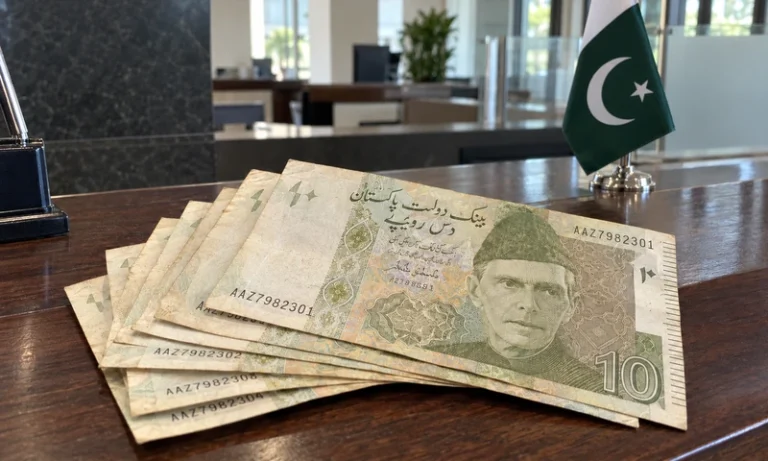

State Bank of Pakistan (SBP) has launched a nationwide “Go Cashless” campaign for Eid-ul-Azha 2026 to promote digital payments in cattle markets and reduce dependence on cash transactions during one of Pakistan’s busiest seasonal trading periods.
The central bank said the campaign forms part of its broader strategy to accelerate digitisation of Pakistan’s payment ecosystem and improve financial inclusion across the country.
Every year, cattle markets generate billions of rupees in economic activity ahead of Eid-ul-Azha, with most transactions traditionally taking place through cash payments.
Recognising the scale of this informal market, SBP has increasingly used Eid-related trading activity to encourage adoption of digital payment systems over recent years.
This year, the campaign has expanded significantly.
According to the central bank, the number of cattle markets covered under the initiative has increased from 54 markets in 2025 to 96 markets nationwide in 2026.
Under the programme, 22 participating banks will establish dedicated camps and kiosks inside assigned cattle markets.
The banks will help onboard cattle sellers, transporters and related service providers onto digital payment systems through account opening services and QR code-based payment solutions.
Banks to deploy mobile vans, ATMs and QR payment systems
SBP said banks would also deploy mobile banking vans, automated teller machines and cash deposit machines where feasible to improve access to financial services around cattle markets.
The central bank has additionally introduced temporary relaxations in transaction and account balance limits to support higher payment volumes during the Eid season.
The relaxed limits will remain effective from May 14 to June 5, 2026.
SBP encouraged citizens to use mobile banking applications, branchless banking wallets, Raast-enabled services and QR code payments for Eid-related transactions.
“Digital payments not only provide greater convenience and security, but also help reduce risks associated with carrying cash and contribute towards development of a more efficient, transparent, and inclusive financial ecosystem in Pakistan,” the central bank said.
Pakistan has witnessed rapid growth in digital payments during recent years, particularly after the launch of Raast, the country’s instant payment system introduced by SBP.
According to central bank data, Raast transactions crossed billions of rupees in monthly value as more consumers and businesses shifted toward digital transfers and QR-based payments.
Eid cattle markets remain largely cash-driven
Despite progress in digital banking, cattle markets continue operating largely through cash transactions because of limited financial access and low digital adoption among traders.
Analysts say the Eid cattle economy represents one of Pakistan’s largest informal seasonal markets and provides an important opportunity for banks to attract new users into formal financial channels.
Experts also believe digital payments can reduce theft risks, improve transaction transparency and lower cash-handling costs during the Eid season.
Pakistan’s banking sector has accelerated efforts to expand branchless banking and QR payment infrastructure as smartphone usage and internet penetration continue growing across the country.
Industry observers say the success of the campaign may encourage wider adoption of digital payments in other large informal sectors of the economy.