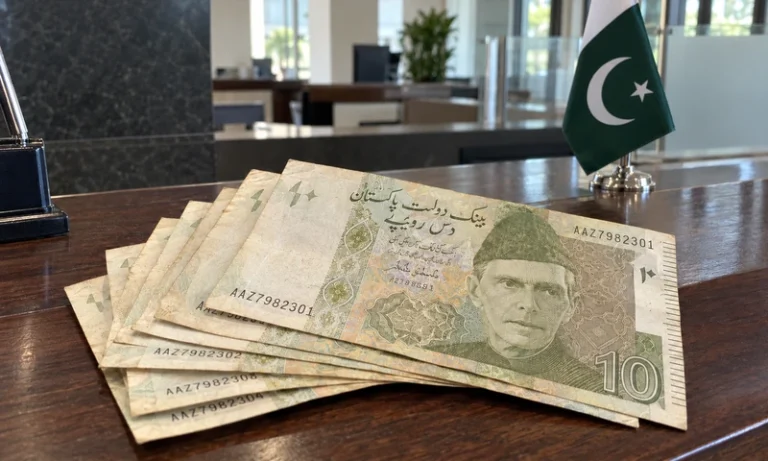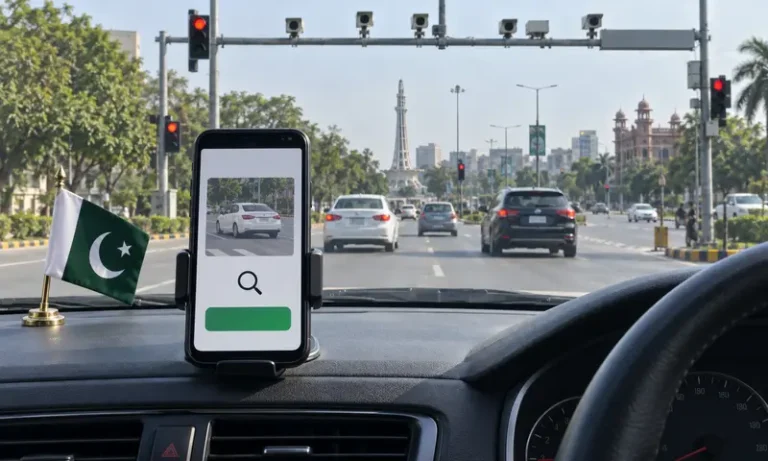
National Bank of Pakistan has enabled digital passport fee payments through Raast Person-to-Merchant QR codes, allowing citizens to pay using participating banks’ mobile applications.
The initiative supports the government’s Cashless Pakistan agenda, which aims to expand digital transactions and digitise government payments and receipts. NBP described the service as another step in its digital transformation programme.
The payment facility gives passport applicants a digital channel for settling fees through their banking apps. Its availability depends on participation by the customer’s bank.
Passport officials review implementation
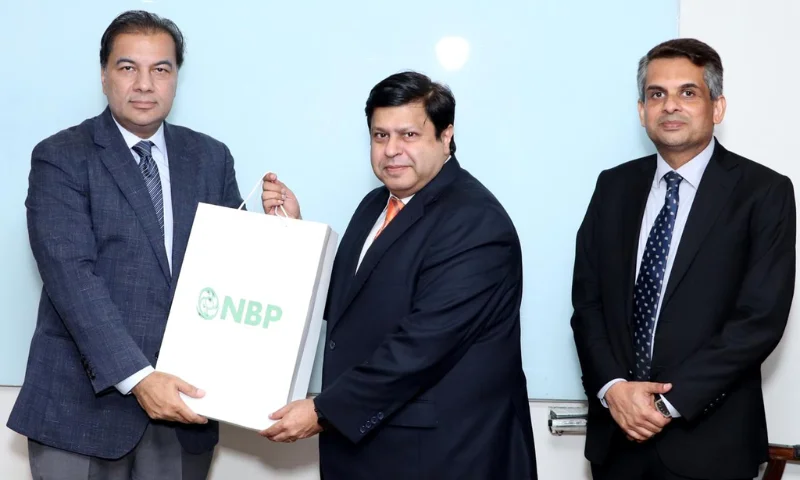
Director General Immigration and Passports Ch. Muhammad Ali Randhawa visited NBP’s head office in Karachi with his team to review implementation.
He met Abdul Wahid Sethi, senior executive vice president and group chief/CFO of the Financial Control Group. Faisal Topra, senior executive vice president and group chief of the Operations Group, also attended.
Other participants included Adnan Nasir, chief digital officer and group chief of the Digital Banking Group. Senior officials from NBP’s Digital Banking and Operations teams joined the discussions.
The meeting reviewed the performance of the Raast-based passport fee collection service and explored opportunities for further collaboration.
Officials also discussed a Payment Slip ID, or PSID-based, alternative payment mechanism. They considered the option to improve convenience and maintain continuity of passport fee collections.
The statement described that alternative as a subject of discussion, without announcing its launch or implementation timetable.
NBP backs cashless public services
Sethi said the bank viewed technology as a way to improve access to public services.
“At NBP, we see digital transformation as an important enabler of more accessible, efficient and customer-centric public services. We are pleased to support the Government of Pakistan’s digital payments and cashless economy agenda and remain committed to leveraging technology to make financial services simpler and more accessible for citizens.”
Randhawa appreciated NBP’s efforts and cooperation in advancing digital transformation and improving public service delivery.
The engagement brought together the bank’s financial control, operations and digital banking leadership to assess the payment arrangement.
How Raast fits into passport payments
The State Bank of Pakistan describes Raast as the country’s instant payment system for individuals, businesses and government entities.
Its P2M framework supports QR codes, Raast aliases, IBANs and Request to Pay transactions. SBP’s launch instructions require participating institutions to provide immediate transaction confirmation or rejection notifications.
Those instructions also prohibit charging customers a fee for making Raast P2M payments. This concerns the payment transaction charge, rather than the passport fee itself.
Separately, the Directorate General of Immigration and Passports already offers the Passport Fee Asaan application. Its official listing allows users to calculate fees, generate PSIDs, check payment status and lodge payment complaints.
The existing app provides context for the PSID alternative discussed at NBP. The bank’s statement did not explain how the proposed mechanism would connect with that service.