A few years ago, “fashion trends” meant hemlines and colors. Now, the biggest shift is about how people buy. Secondhand is mainstream. Repair is cool again. Brands sell “resale” as a feature, not a fallback. The driver is equal parts conscience and cost.
The sustainability case is hard to ignore. The UN Environment Programme says the world produces 92 million tonnes of textile waste every year. It also points to the system behind it: clothing production doubled from 2000 to 2015, while the duration of garment use fell 36%. UNEP warns the sector’s footprint will keep rising without a circular shift. “Unsustainable fashion is aggravating the triple planetary crisis…” UNEP Executive Director Inger Andersen said, calling for “a circular economy approach that values sustainable production, reuse and repair.”
That messaging is landing because shoppers now have practical alternatives.
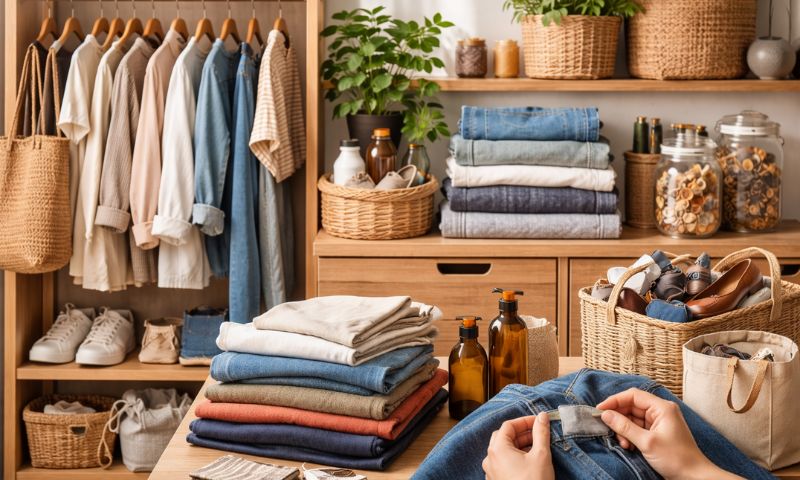
Secondhand is the clearest proof. ThredUp’s Resale Report projects the global secondhand market will reach $350 billion by 2028, as more consumers treat pre-owned as normal shopping. The same report (via industry coverage) also forecasts online resale will more than double, reaching $40 billion by 2028. Resale has become a trend engine too, as vintage denim, archived luxury, and “thrift flips” shape what looks current.
Repair and “wear-it-longer” dressing is another trend with real impact. UNEP notes recycled fibres still make up only 8% of textile fibres (2023), which keeps pressure on buying less and extending use. That’s why visible mending, tailoring, and shoe repair content has moved from niche to mainstream. It’s also why brands now offer repair services, warranties, and spare buttons as part of the pitch.
Then there is “fewer, better” buying: capsule wardrobes, repeat outfits, and neutral staples. The look is minimalist, but the logic is commercial. It reduces impulse purchases and makes wardrobes feel “new” through styling, not constant shopping.
Finally, materials and transparency are shaping trend language. UNEP estimates fashion and textiles account for 2–8% of global greenhouse gas emissions and 9% of microplastic pollution reaching oceans each year. That’s why shoppers increasingly look for recycled materials, lower-impact fabrics, and clearer labels especially on everyday items like tees, denim, and activewear.
Responsible buying is no longer the “ethical corner” of fashion. It’s becoming the trend cycle itself and brands that make circular choices easy are the ones positioned to win.