
More than 720,000 people die by suicide every year, while many more attempt it, according to the World Health Organization.
WHO’s latest estimates put the annual toll at about 727,000 deaths. For every suicide, the agency estimates there are about 20 attempts.
The impact reaches far beyond the person who dies. Suicide affects families, communities and entire societies. Each loss is one too many.
“Suicide is a public health issue, and together, we can prevent it,” the prevention message says.
Young People and Poorer Countries Carry Heavy Burden
Suicide ranked as the third leading cause of death among people aged 15 to 29 worldwide in 2021. It ranked second among young women and third among young men in that age group.
Low- and middle-income countries recorded 73% of global suicides, WHO data shows. That concentration places much of the burden on health systems that often have limited mental health staff and services.
More than half of all suicide deaths, or 56%, occurred before age 50. A previous attempt remains an important risk factor, making follow-up care especially important.
The causes are complex and differ across people and settings. WHO links risk to social, cultural, biological, psychological and environmental factors across the course of life.
Read More: Google Tightens Gemini Safeguards After Suicide Lawsuit Sparks Global Alarm
Depression and alcohol use disorders have established links with suicide. However, many suicides happen impulsively during moments of crisis.
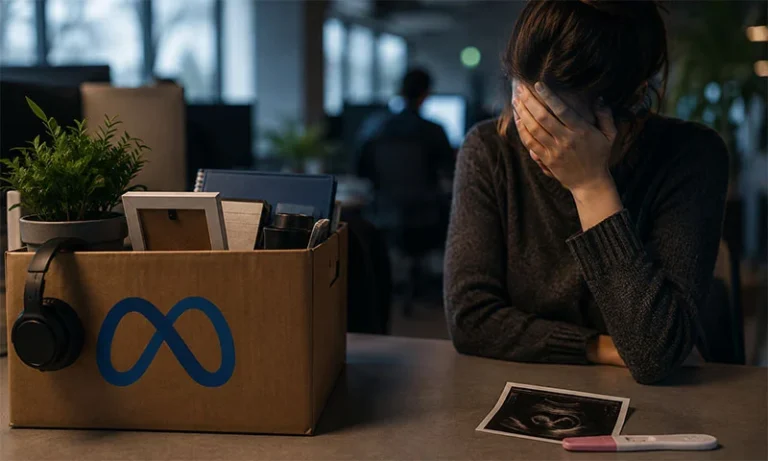
Financial trouble, relationship disputes, chronic pain, illness and bereavement can overwhelm a person’s ability to cope. Conflict, disaster, violence, abuse, discrimination and isolation can also increase risk.
WHO says timely, evidence-based and often low-cost interventions can prevent suicide. Its LIVE LIFE approach calls for restricting access to lethal means and promoting responsible media coverage.
The framework also urges countries to build emotional and social skills among adolescents. Health services should identify, assess, manage and follow up people affected by suicidal behaviour early.
What to Do When Someone May Be at Risk
People who worry that someone may be suicidal should start a calm, direct conversation about how that person feels. Listening without judgment can open a path to support.
They should encourage the person to seek help from a mental health professional, counsellor, doctor or crisis service. Regular check-ins matter, particularly after a recent crisis or suicide attempt.
If the person faces immediate danger, contact local emergency services at once and do not leave them alone. Reduce access to anything they could use for self-harm, if this can be done safely.
Read More: New AI-Powered Sarco ‘Suicide’ Pod Designed for Couples to Die Together
Stigma and taboo still stop many people from seeking care. WHO says only 38 countries report having a national suicide prevention strategy.
The agency argues that health care alone cannot solve the problem. Education, labour, agriculture, justice, business, politics and media all have roles in a coordinated national response.
Anyone struggling now should contact local emergency services or a crisis hotline, or reach out to a trusted person and health professional.