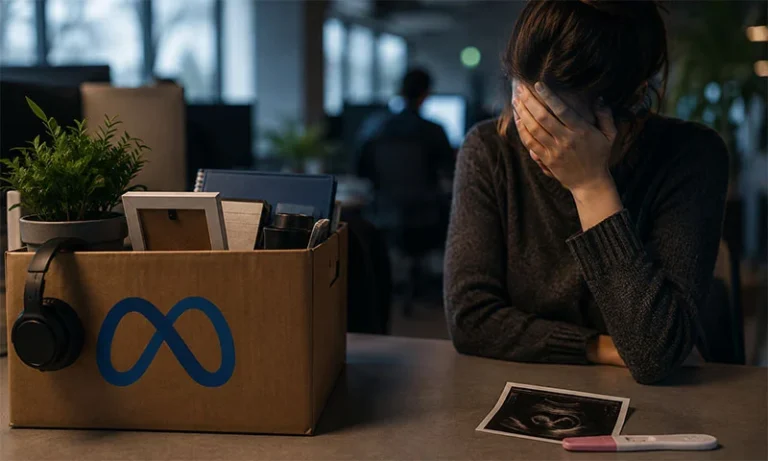
A growing number of young professionals in China are turning to artificial intelligence tools to launch “one-person companies”, as fears of job insecurity and automation reshape career choices in the world’s second-largest economy.
The trend, highlighted in recent reporting, shows individuals using AI to handle tasks traditionally requiring teams, including marketing, design, customer service and content production. For many, the shift is driven by what some describe as “AI anxiety” and uncertainty about long-term employment prospects.
Shanghai-based Wei Xin, 34, said she anticipated her role as a document reviewer would eventually be replaced by AI, prompting her to explore new opportunities using the same technology. “If I don’t use it, don’t approach it, I might soon be eliminated,” she said.
Rise of one-person companies
The emergence of so-called one-person companies is being powered by increasingly accessible AI tools that can automate complex workflows. Tasks such as writing advertising copy, editing videos and managing online stores can now be handled by a single individual using AI assistance.
One entrepreneur, Wang Tianyi, said he earns up to 40,000 yuan per month by creating AI-generated commercials for businesses after leaving his job in the tech sector. He believes solo ventures will become a “major trend” due to the efficiency gains AI provides.
Industry data supports this shift. Executives at major Chinese platforms estimate that up to 30 to 40 percent of users are now solo entrepreneurs leveraging AI tools to run businesses independently.
Job anxiety drives shift
The rise of these businesses is closely tied to growing concerns about job stability, particularly among younger workers.
China’s youth unemployment rate has remained elevated, with roughly one in six people aged 16 to 24 out of work, adding pressure on graduates and early-career professionals.
At the same time, age-related workplace challenges persist. Many professionals refer to the “curse of 35”, an unofficial threshold where career prospects in certain industries begin to decline.
“There’s like this invisible line,” said Dai, an entrepreneur who hosts workshops on building solo businesses. “People might face some challenges in the workplace.”
Experts say AI has intensified these concerns by accelerating automation across white-collar roles, from administrative work to data processing.
Government support and incentives
Local governments in China have begun encouraging the trend as a way to address unemployment and stimulate innovation.
Cities such as Suzhou have pledged to cultivate thousands of one-person company founders, while Chengdu has offered subsidies of up to 20,000 yuan for graduates starting AI-driven ventures.
Analysts describe these measures as low-cost strategies to boost entrepreneurship and absorb workforce pressures.
“These measures are carrots to help these start-ups get off the ground,” said technology policy expert Kyle Chan.
Opportunities and risks
While the model offers flexibility and independence, challenges remain. Many solo founders struggle to scale their businesses or generate consistent revenue.
“The important thing in the future will be how to sell it,” Wang said, highlighting the difficulty of turning AI-driven ideas into sustainable income.
Experts also caution that increased reliance on AI may create new vulnerabilities, including market saturation and dependency on digital platforms.
A changing workforce
The trend reflects a broader global shift as artificial intelligence reshapes labour markets and career paths.
For many young Chinese professionals, building a one-person company is not just an entrepreneurial choice but a strategy for survival in an uncertain job landscape.
“There is a sense of control, of creativity,” Dai said, describing the appeal of working independently with AI support.