


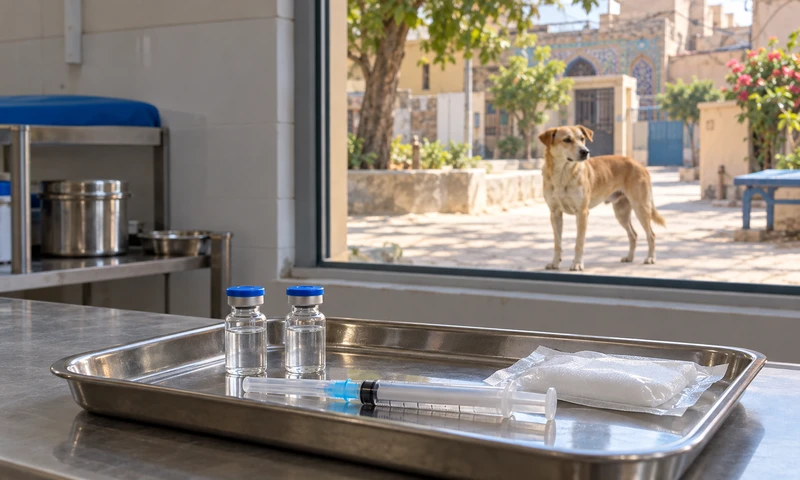
Sindh Senior Minister Sharjeel Inam Memon has urged people to seek immediate vaccination after dog bites, warning against treating such injuries lightly.
In a World Rabies Day statement on September 28, he said the provincial government was using all available resources to prevent rabies. He also said authorities had developed a comprehensive strategy to control the disease across Sindh.
Memon, who holds the information, transport and mass transit portfolios, said government hospitals and Rural Health Centres throughout the province had anti-rabies vaccines available.
His spokesperson, Hussain Mansoor, issued the statement, which stressed timely treatment and cooperation between the government, medical experts and the public.
Minister calls for immediate action after bites
Memon urged residents to avoid negligence following a bite from a dog or another potentially rabid animal. He said people should not dismiss bite wounds or delay vaccination.
The minister said Sindh was adopting modern methods to prevent the spread of rabies. However, the statement did not identify those methods or provide a timetable for specific interventions.
Read More: Dog Chews Battery, Nearly Burns Down Family Home
He said the government was working with medical professionals and communities towards making the province free from rabies.
The statement also did not provide hospital-level vaccine stocks, recent case figures or details of rabies immunoglobulin availability. Its assurance on vaccine supplies covered government hospitals and Rural Health Centres across Sindh.
Wound washing and urgent care are essential
Rabies is a preventable viral disease that attacks the central nervous system. Infected animals can transmit it through bites and scratches.
The disease becomes almost invariably fatal once clinical symptoms appear. Treatment after a possible exposure must therefore begin before symptoms develop.
International health guidance recommends immediately washing a bite or scratch with soap and plenty of water for at least 15 minutes. The injured person should then seek urgent medical attention.
Washing the wound is an essential first step, but it does not replace professional assessment or vaccination when required.
Post-exposure prophylaxis, the treatment used to prevent rabies after exposure, includes wound care and a course of rabies vaccine. Depending on the exposure, clinicians may also administer rabies immunoglobulin or approved monoclonal antibodies into the wound.
Even minor scratches without bleeding can require vaccination after contact with a suspected rabid animal. A clinician should assess the exposure and determine the necessary treatment.
Prevention extends beyond treatment
Long-term rabies control also requires action to prevent transmission from animals to people.
International prevention strategies combine mass dog vaccination with accessible treatment for exposed people, trained health workers and stronger disease surveillance. Community education helps people avoid bites and recognise when they need medical care.
Read More: Islamabad Incident Sparks Outrage After Journalist’s Pet Dog Killed
These measures complement the public cooperation Memon sought in his World Rabies Day message.
For residents facing a possible exposure, the immediate priority remains prompt wound washing and medical assessment. Memon’s appeal urged people to act quickly and use available treatment services instead of overlooking an injury.

























