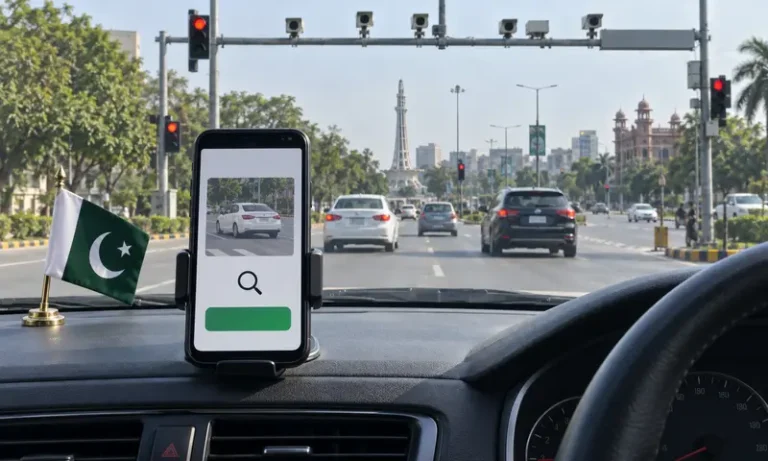
Modern cars no longer serve only as machines for transport. Privacy experts say they now operate like rolling data centres that monitor drivers constantly.
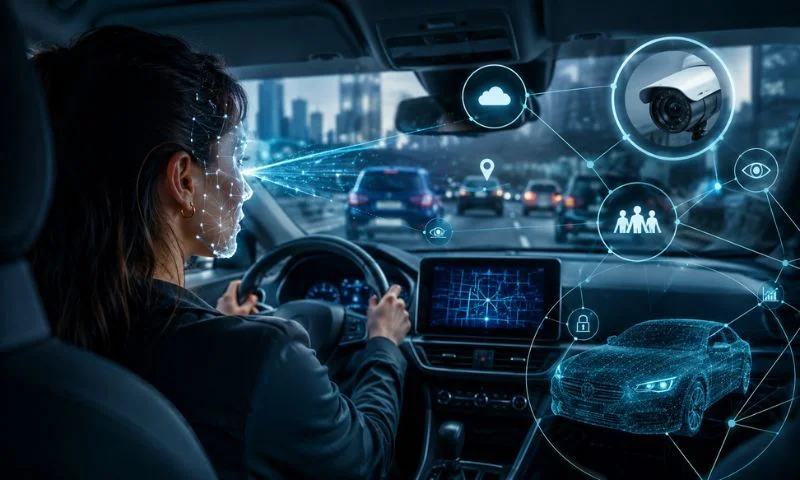
Internet-connected vehicles collect huge amounts of personal information. They track your location, driving habits, seatbelt use and braking patterns. Some cars even monitor facial expressions, body language and eye movement.
“People would be shocked at the number of data points that their car collects and transmits to other people, either the manufacturer or third-party applications,” said Darrell West from the Brookings Institution. “It basically means your life can be recreated almost on a second-by-second basis.”
Experts say many drivers do not realise how much information companies gather through modern vehicles. Most car owners agree to lengthy privacy policies while setting up infotainment systems or mobile apps.
Research firm McKinsey estimated that half of all cars on the road had internet connectivity in 2021. The company expects that figure to rise to 95% by 2030.
A 2023 study by Mozilla Foundation reviewed privacy policies from 25 car brands. Mozilla concluded that every company failed its minimum privacy standards. The group called cars “the worst product category we have ever reviewed for privacy”.
The report found that some manufacturers reserve the right to collect sensitive details. These include age, weight, race, health information and psychological trends.
Kia faced criticism after its privacy policy mentioned “sex life” and health data. The company later clarified it had never collected such information.
Insurance Firms Use Driving Data
Privacy advocates warn that automakers now profit from customer information through data-sharing deals.
US authorities recently acted against General Motors over allegations that the company sold location and driving data without proper consent. Reports showed that data broker LexisNexis gathered more than 130 pages of driving records on one customer within six months.
The customer later told The New York Times that his insurance premium jumped by 21%. An insurance agent reportedly linked the increase to the vehicle data.
Read More: Five New Chinese EVs in The Price of One Car in US: The Price Gap Shaking the Auto Industry
“Insurance companies have been collecting vast amounts of consumer data, especially on consumer driving data, and using it to try and charge people higher premiums,” said Michael DeLong from the Consumer Federation of America.
Mozilla privacy researcher Jen Caltrider warned that companies use car data to build detailed personal profiles.
“They’re taking all the information they collect on you, which is a lot, and using it to make inferences about who you are, how intelligent you are, what your psychological profile is, what your political beliefs are,” she said.
New Technology Raises More Privacy Concerns
Privacy experts fear upcoming US safety laws could increase surveillance inside vehicles.
Federal rules will soon require automakers to install advanced impaired-driving prevention systems in new cars. These systems may use infrared biometric cameras to monitor drivers for signs of fatigue or intoxication.
Supporters say the technology could save lives by stopping impaired drivers. Critics argue that lawmakers failed to add clear protections for the sensitive data these systems collect.
“We need to keep drunk drivers off the road, and it would be great if there was a guarantee that the data won’t be used for other purposes, but that’s not what’s happening,” Caltrider said.
Experts advise drivers to avoid insurance telematics programmes if privacy matters to them. They also recommend checking infotainment privacy settings and limiting app permissions.
Privacy advocates warn that cars could soon become the most invasive consumer products in modern life.