


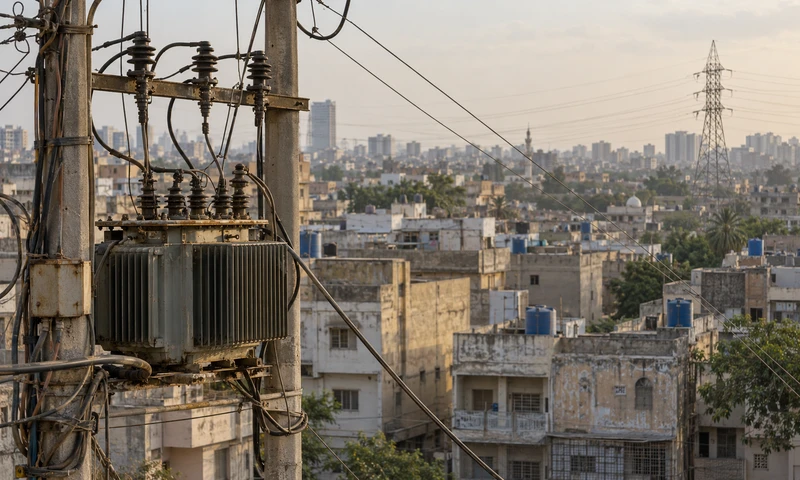
K-Electric faces a reported Rs65 billion financing squeeze as tariff uncertainty strains its finances, raising concerns over Karachi’s electricity supply.
According to the supplied reporting, banks have stopped fresh financing and withdrawn Rs30 billion in existing funding. Another Rs35 billion in proposed Islamic bonds, or sukuk, remains stalled because of the tariff dispute.
The combined figure represents withdrawn and unavailable financing, rather than Rs65 billion in cash withdrawals. Public documents reviewed for this report do not independently establish those amounts.
Read More: K-Electric Bill Shock: Karachi Consumers to Pay More for Electricity
Sources cited in the reporting say financial pressure has begun affecting procurement, routine operations and investment in transmission and distribution infrastructure. They say the utility increasingly prioritises emergency work, while supply difficulties have started emerging across its network.
The dispute concerns K-Electric’s multi-year tariff framework for FY2024–FY2030. Published records show that NEPRA approved an average Rs39.97 per unit tariff in May 2025. It subsequently reduced that figure to Rs32.37 through review decisions dated October 20, 2025. These dates differ from the supplied account’s description of a reversal after two months.
The central issue therefore concerns the disputed tariff’s final settlement, rather than a complete absence of tariff determinations.
K-Electric challenged the revisions before the NEPRA Appellate Tribunal. Its April 7, 2026 disclosure records a Sindh High Court order dated April 2 directing the tribunal to decide within three months. The court also continued interim protection against coercive action until the tribunal’s final decision.
The supplied reporting describes the appeal as pending. The April notice alone cannot confirm its September status.
Financial expert Samiullah Tariq, cited in the supplied material, estimates that Rs37–38 per unit would bring K-Electric close to break-even. He warns that a lower tariff would leave substantial losses and threaten the utility’s ability to sustain Karachi’s power supply.
Tariq puts the earlier tariff at roughly Rs39 and the revised level at approximately Rs32.5. He estimates that recalculating FY2024 results would turn approximately Rs4 billion in profit into losses exceeding Rs80 billion. Those figures represent his assessment, rather than verified audited results.
The reporting also says K-Electric has yet to issue FY2024, FY2025 and FY2026 financial statements, linking the delay to litigation.
Read More: K-Electric Signs Power Deal to Fuel BYD’s Pakistan Manufacturing Plant
Its April 17 disclosure specifically addresses FY2024 and FY2025. It records permission to transmit those accounts and hold annual general meetings by June 30, 2026. It does not address FY2026.
PACRA confirmed on June 4 that tariff uncertainty had delayed financial reporting. At that point, FY2023 remained the latest audited year.
However, PACRA’s June assessment also described adequate expected liquidity, sufficient working-capital lines and stable operating cash flows. It maintained AA/A1+ ratings with a stable outlook and a rating watch. That earlier assessment provides a dated benchmark against which the latest financing claims require verification.

























