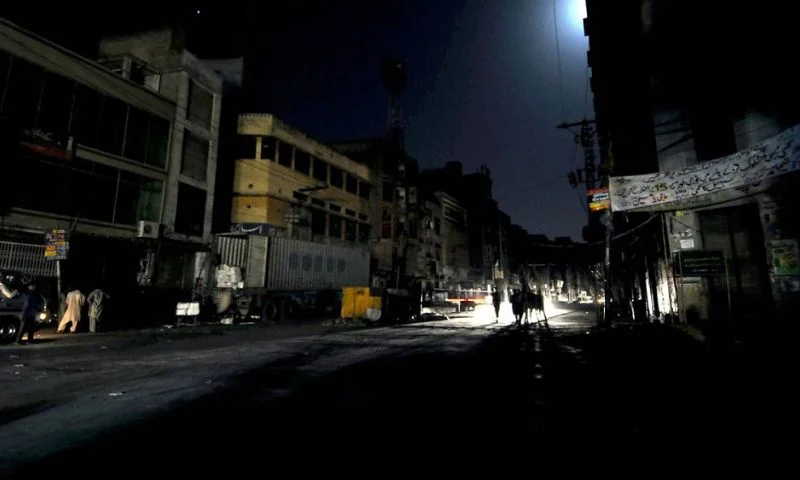
Pakistan’s government has announced a 2.25-hour daily suspension of electricity during peak hours, describing the move as a targeted strategy to prevent a sharp increase in electricity tariffs amid rising global fuel prices.
The decision, framed as a “peak relief strategy,” will apply nationwide during the high-demand window between 5:00pm and 1:00am, when pressure on the national grid is at its highest.
Strategy to prevent tariff surge
According to the Power Division, the move is aimed at avoiding reliance on expensive imported fuels during peak hours, which could otherwise push electricity prices up significantly.
Officials warned that without intervention, tariffs could rise by Rs3 to Rs6 per unit, driven by higher fuel costs and increased demand.
The spokesperson said the government has already provided Rs46 billion in relief and managed to reduce average electricity prices by 71 paisa per unit through improved system efficiency and prioritisation of low-cost energy sources.
“Peak-hour load management is being implemented to prevent a massive tariff hike,” the spokesperson said, adding that the step is designed to protect the majority of consumers from further financial burden.
Distribution companies have been directed to issue feeder-specific schedules to ensure transparency and minimise inconvenience to consumers.
Demand pressure and fuel constraints
The government cited a combination of factors behind the decision, including a surge in electricity demand during evening hours and a seasonal decline in hydropower generation.
The situation has been further complicated by global energy market volatility and disruptions in fuel supply, particularly liquefied natural gas.
To manage costs, authorities are diverting local gas supplies to power plants and reducing dependence on furnace oil-based generation, which is significantly more expensive.
K-Electric and HESCO consumers
In a key clarification, the Power Division stated that consumers of K-Electric (Karachi) and Hyderabad Electric Supply Company (HESCO) will not be affected by the 2.25-hour loadshedding plan.
“Due to the availability of low-cost power generation in the southern region… load management is not being carried out in these two distribution companies,” the spokesperson said.
Officials explained that both KE and HESCO benefit from access to relatively cheaper electricity sources and have limited reliance on furnace oil-based generation, reducing the need for peak-hour supply cuts.
As a result, consumers in these regions are being spared from additional outages under the current policy, unlike other parts of the country where supply adjustments will be implemented.
Broader policy measures
The government is also pursuing complementary measures to reduce electricity demand, including early market closures and energy conservation campaigns.
Officials say coordinated efforts between federal and provincial authorities will play a crucial role in stabilising the power sector and avoiding further price increases.
Outlook
The introduction of targeted loadshedding highlights the ongoing challenges in Pakistan’s energy sector, where balancing affordability and supply remains a complex policy issue.
While the strategy may help contain electricity prices in the short term, experts say long-term stability will depend on structural reforms, improved infrastructure and a shift toward sustainable energy sources.