


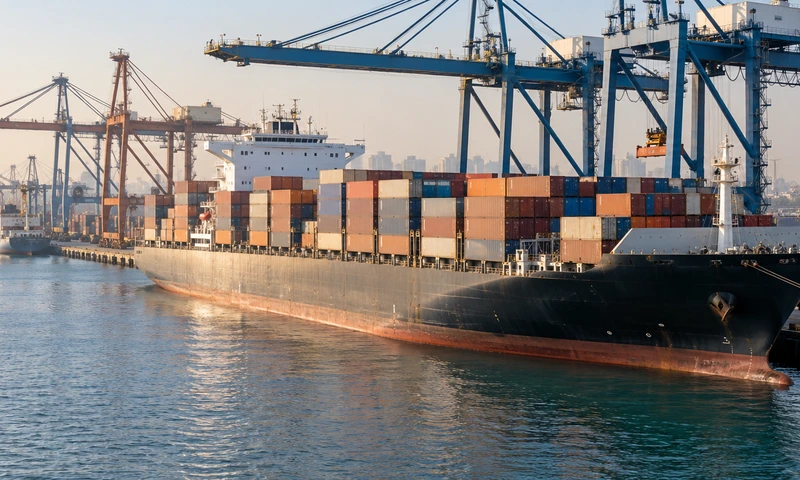
Mediterranean Shipping Company (MSC) has restored its dedicated Karachi-Europe shipping service, offering Pakistani exporters more options amid freight disruptions. Federal Maritime Affairs Minister Muhammad Junaid Anwar Chaudhry announced the development on Thursday, October 8.
The minister said MSC had “reinstated its PREMIUM IPAK service” following exporters’ requests for a dedicated, direct European connection.
The service will make weekly calls at Karachi Gateway Terminal International (KGTI). Its destinations include Felixstowe, Rotterdam, Hamburg, Bremerhaven, Antwerp, Le Havre and London Gateway, with the route running via Colombo.
“Previously we had no transshipment service from Karachi Port. However, now we have a full-swing service as Pakistan has emerged as the transshipment hub of the region,” the minister said.
Chaudhry described the restoration as an important development for export-oriented industries, particularly textiles. Exporters have faced longer transit times and rising logistics costs as disruptions alter international shipping routes.
The minister recently met textile exporters who highlighted difficulties linked to the situation in the Red Sea. Their concerns covered shipments to both European and US markets.
“Exporters had earlier expressed concern that longer vessel journeys were increasing transportation costs and delivery times for shipments to European and US markets. These additional costs and delays have affected the competitiveness of Pakistani exporters,” he said.
“The restored service will improve connectivity with major European ports and provide exporters with greater options for planning and moving their shipments,” he said.
Chaudhry cautioned that restoring the service would not resolve the wider problems affecting international shipping. The announcement offered no quantified estimate of freight savings or shorter delivery times.
“Disruptions to established shipping routes continue to have implications for global trade. We will continue working with the shipping industry and exporters to address connectivity and logistics issues and to strengthen Pakistan’s position in international trade,” he said.
Beyond ocean freight, exporters must also account for local handling and documentation costs. MSC’s Pakistan information page lists terminal charges, storage, demurrage and documentation services among its local tariff information. These expenses form another part of the logistics bill facing businesses moving goods through Pakistani ports.
Separately, Karachi Port Trust’s chairman proposed changes to accelerate cargo clearance at a meeting at KPT’s head office.
He chaired the Working Group on Shipping Connectivity and Optimisation, which examined physical and regulatory bottlenecks. The discussions focused on making cargo clearance faster and more predictable.
His proposals included standardised electronic delivery orders available around the clock, risk-based inspections and non-intrusive scanning. He also proposed joint inspections and common sampling.
Terminal operators expressed readiness to conduct night inspections. Participants asked Pakistan Customs to facilitate round-the-clock operations.
The clearance proposals accompany the renewed shipping connection as port authorities seek to address delays on land. Both developments focus on difficulties exporters face when arranging and moving overseas shipments.

























