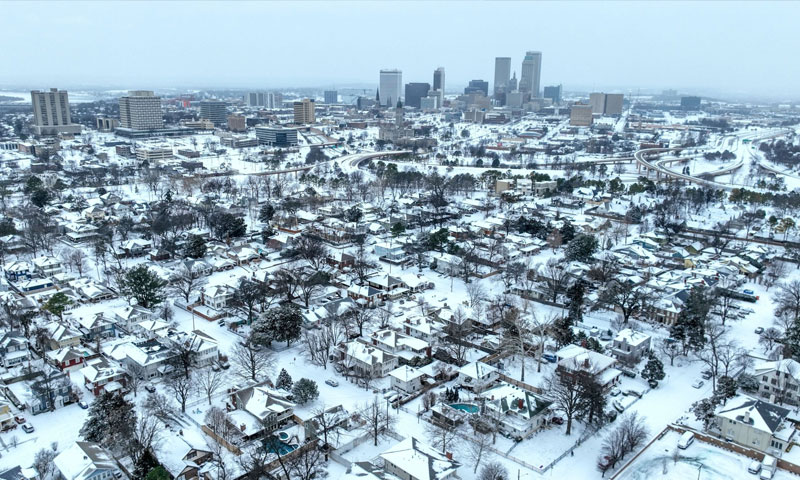
A powerful winter storm sweeping across large parts of the United States has triggered widespread disruption, forcing the cancellation of thousands of flights and knocking out electricity to hundreds of thousands of homes as dangerously cold weather advances eastward.
More than 4,000 flights were cancelled on Saturday, with disruptions expected to worsen as the storm spreads across the eastern two-thirds of the country. By early Sunday, power outages had already affected over 230,000 customers, stretching as far west as Texas, according to outage monitoring data.
Weather forecasters warned that a combination of heavy snow, sleet, freezing rain and extreme cold would persist through Sunday and into the coming week, raising the risk of prolonged travel disruption and infrastructure strain.
Describing the storm system as “historic,” U.S. President Donald Trump approved federal emergency disaster declarations for multiple states, including South Carolina, Virginia, Tennessee, Georgia, North Carolina, Maryland, Arkansas, Kentucky, Louisiana, Mississippi, Indiana and West Virginia.
“We will continue to monitor and stay in touch with all states in the path of this storm,” Trump said in a social media post, urging Americans to remain safe and prepared.
Widespread Emergency Declarations and Power Concerns
At least 17 states and Washington, D.C. declared weather emergencies, according to the Department of Homeland Security (DHS). DHS Secretary Kristi Noem said tens of thousands of people across southern states were without power as utility crews raced to restore service.
The hardest-hit states included Louisiana, Mississippi, Texas, Tennessee and New Mexico, where outages continued to rise into Sunday.
To prevent grid failures, the U.S. Department of Energy (DOE) issued emergency orders allowing grid operators in Texas and the mid-Atlantic region to deploy backup power resources, including at data centers and major facilities, even if doing so exceeded normal regulatory limits.
Airlines and Airports Brace for Continued Disruptions
Airlines across the country scrambled to adjust schedules as conditions deteriorated. By late Saturday night, more than 9,400 additional flights scheduled for Sunday had already been cancelled, according to flight-tracking data.
Major carriers warned passengers to expect abrupt changes. Delta Air Lines reported further cancellations across Atlanta and the East Coast, while relocating cold-weather specialists to assist de-icing operations at southern airports. JetBlue said it had cancelled about 1,000 flights through Monday, while United Airlines confirmed it had proactively grounded flights in areas forecast to receive the worst conditions.
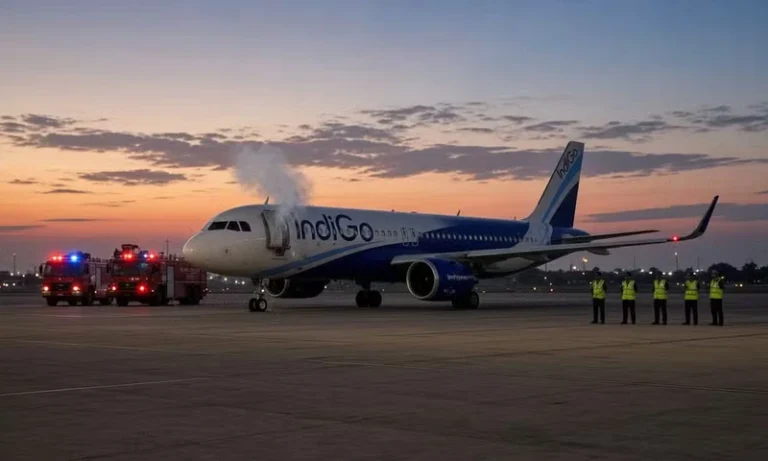
Images from affected airports showed de-icing crews working around the clock as ice and snow accumulated on aircraft.
Forecast Warns of “Crippling” Conditions
The National Weather Service warned that the storm could bring widespread and long-lasting ice accumulation across the Southeast, where even moderate icing can lead to what forecasters described as “crippling to locally catastrophic impacts.”
Meteorologists also warned that record-low temperatures and dangerous wind chills could push further into the Great Plains by Monday, increasing risks to public safety.
Officials urged residents to stock up on food and fuel, limit travel where possible, and prepare for prolonged outages as the storm continues to move east.