

An outbreak of the deadly Nipah virus (NiV) in India has triggered health alerts across Asia, prompting several countries to tighten health checks and airport screenings for international travellers. The virus, which carries a high fatality rate of 40–75% and for which no specific vaccine or approved treatment exists, has placed authorities on high alert.
The current outbreak was confirmed in the West Bengal state of India in January 2026, where five cases have been identified, including infections among healthcare workers. Nearly 100 contacts are under home quarantine while investigations continue into up to 200 potential exposures. One patient remains in critical condition.
Nipah virus is a zoonotic pathogen that spreads from animals such as fruit bats and pigs to humans, and can also transmit through close person-to-person contact. Early symptoms include fever, headache, muscle pain, vomiting and sore throat. Severe cases may lead to respiratory distress, brain inflammation (encephalitis), seizures or coma. Because early signs are non-specific and overlap with other illnesses, detection without screening can be difficult.
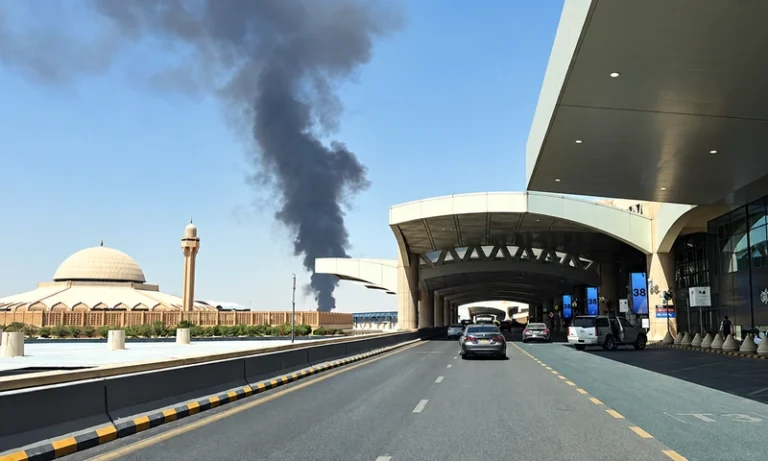
In response to the outbreak, airports in Thailand, Nepal and Taiwan have reinstated COVID-style health surveillance measures to prevent cross-border transmission. Screening includes temperature checks, symptom checks, travel history questionnaires and, in some cases, isolation of symptomatic travellers arriving from high-risk regions. “Health Beware Cards” advising travellers on warning signs and appropriate actions after potential exposure are also being issued at some airports.
At Thailand’s Suvarnabhumi, Don Mueang and Phuket airports, travellers from West Bengal now face enhanced monitoring. Nepal has strengthened screenings at Tribhuvan International Airport and border crossings with India, while Taiwan plans to classify Nipah as a top-tier notifiable disease, enabling rapid reporting and control.
Authorities stress that airport screenings are triage tools, not diagnostic tests, designed to flag possible infections and support early containment. Health officials advise passengers to report symptoms promptly, follow hygiene protocols and disclose any recent travel to outbreak zones.
The World Health Organization (WHO) lists the Nipah virus as a “priority pathogen” due to its potential for severe outbreaks and high mortality, reinforcing the need for vigilance.
Despite the serious nature of Nipah, experts say the risk to the general public remains low in the absence of direct exposure to infected individuals or animals. Continued surveillance, contact tracing and international cooperation aim to limit spread while enabling air travel to continue with caution.