
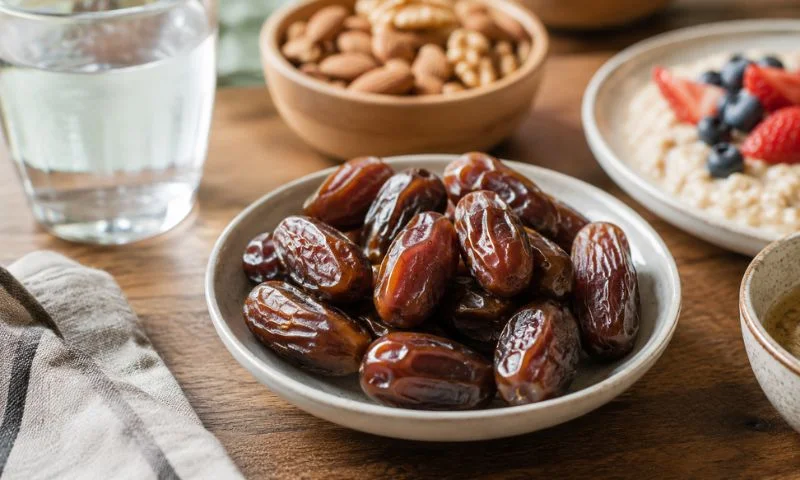
Dates are a popular natural alternative to refined sweets. Consumers add them to protein bars, smoothies, desserts and pre-workout snacks.
Monica Kelly, a registered dietitian at Montefiore Health System, explained their appeal. She said “they taste like a treat but are still a whole, minimally processed food.”
People have cultivated dates for thousands of years in dry, hot regions. Utah nutritionist Lance King said the date palm grows in “hot climates such as the Middle East, Northern Africa and parts of California and Arizona.”
Read More: Pastor Says He Nearly Died Because of ChatGPT Health Advice
King added that the fruit ripens naturally on the tree “and is typically harvested, cleaned, sorted and dried before packaging.”
Popular US varieties include Medjool, Deglet Noor and Barhi. Sellers usually market dates as dried fruit. However, the fruit loses much of its moisture naturally while ripening. Growers therefore need little extra dehydration after harvest.
Kelly said this drying “extends their shelf life.” It also concentrates natural sugars and creates the familiar caramel-like flavor.
Fiber, Minerals and Antioxidants Support Health
One cup of dates provides about six grams of dietary fiber. Kelly said fiber “supports digestion, promotes regularity and helps keep you feeling full for longer.”
Fiber also slows sugar absorption into the bloodstream. This can provide steadier energy than highly processed snacks.
Dates supply potassium and magnesium. King said these minerals “support muscle and nerve function, hydration and cardiovascular health by regulating blood pressure.”
Dates contain vitamin B6 and vitamin K. Dates also provide antioxidant compounds called polyphenols.
Kelly said the compounds may help “in reducing inflammation and protecting the body from cell damage, thereby preventing chronic diseases and contributing to improved heart health.”
Athletes often eat dates for quick energy. King said, “They provide quick energy without many additives or artificial ingredients, making them a convenient pre-workout snack.” Their sweetness can replace refined sugar in many recipes.
Daily Intake Requires Portion Control
Most healthy people can include dates in a daily diet. However, King warned that “portion size matters.” He described dates as “calorie-dense and naturally high in sugar.”
One cup of pitted, chopped dates contains more than 400 calories. It also carries nearly 95 grams of natural sugar. Their fiber gives them a low-to-moderate glycemic index. Large portions can still raise blood sugar because the total sugar quickly adds up.
King said “people with diabetes or blood sugar regulation challenges should be mindful of how many they consume at once.”
Kelly said people with kidney disease “may also need to exercise caution due to their high potassium content.” People taking medicines that affect potassium should seek medical advice.
Dates also create a dental concern because they stick to teeth. Kelly said they “can also contribute to cavities if dental hygiene isn’t well maintained.”
Overall, King said dates “fit well into wellness-focused lifestyles.” He added, “They are minimally processed, portable and provide quick energy along with fiber and minerals.”