Oman announced a series of relief measures on Sunday to ease the burden on residents during the summer of 2026, as rising temperatures drive up electricity consumption.
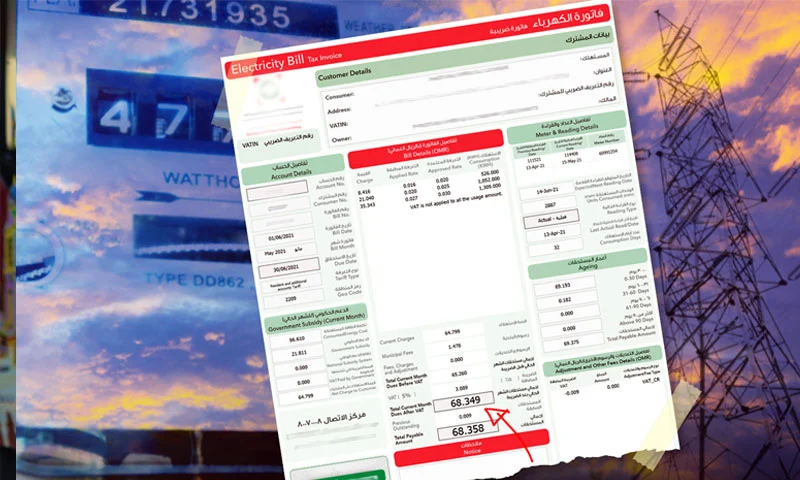
The Sultanate’s Public Services Regulatory Authority confirmed a reduction in electricity tariffs for residential users from May until the end of August, according to the Oman News Agency.
Read More: Heatwaves Put Children at Risk Here’s How to Protect Them
In addition, the authority stated that electricity services will not be disconnected for residential consumers during this period. The move aims to protect households from service interruptions at a time when cooling demand peaks.
To further support residents, the regulator has directed companies to introduce flexible payment plans. These arrangements will allow customers to manage their electricity bills more comfortably over the summer months.
Officials expect the measures to provide financial relief while ensuring uninterrupted access to power during extreme heat.
Hotter Gulf summer expected amid El Niño signals
Residents across the Gulf region are likely to face a hotter and more humid summer. Meteorological indicators suggest a possible return of the El Niño later this year.
Climate projections indicate that El Niño could begin between May and July 2026. Experts estimate a 61 per cent chance that the pattern will persist through the end of the year.
Read More: Heatwave Alert Simple Steps to Stay Safe as Temperatures Rise
The projections draw on updates from the National Oceanic and Atmospheric Administration, along with modelling by the European Centre for Medium-Range Weather Forecasts and the North American Multi-Model Ensemble.
Globally, El Niño tends to weaken the Atlantic hurricane season and disrupt the Indian monsoon. It also increases rainfall across parts of the Americas and contributes to additional global warming that can extend into 2027.
Regional impact and energy demand concerns
Across the Arabian Peninsula, El Niño may influence weather patterns in the coming months. Disruptions to the Indian monsoon could shift moisture westward. This shift may enhance humidity over the Arabian Sea and improve rainfall prospects for Yemen and Oman later in the season.
However, higher humidity and temperatures will likely push electricity demand to new highs. Air conditioning remains the primary driver of energy use across Gulf households during summer.
Read More: Heatwaves Trigger Rise in Domestic Violence Against Women
Oman’s tariff reduction and payment flexibility come at a critical time. The measures align with broader regional efforts to manage energy demand while protecting consumers from rising costs.
Authorities continue to balance supply stability with affordability. The latest steps highlight a proactive approach to seasonal challenges, as governments prepare for extreme weather conditions linked to global climate patterns.