Prime Minister Shehbaz Sharif on Wednesday praised the provinces for their cooperation in tackling Pakistan’s economic challenges, saying collective efforts helped the country achieve macroeconomic stability despite significant domestic and external pressures.
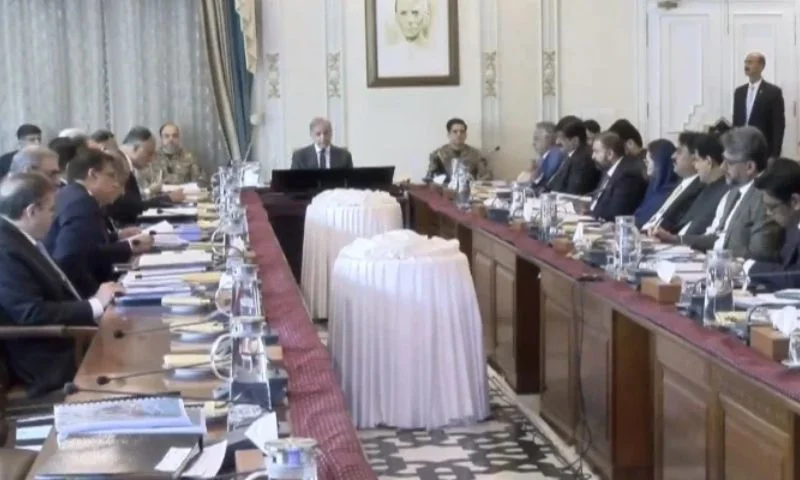
Addressing a meeting of the National Economic Council (NEC), the prime minister said the federal and provincial governments worked together to steer the economy through a difficult period.
“We made decisions in the best interest of Pakistan as a team,” PM Shehbaz told participants.
The NEC meeting came just days before the presentation of the federal budget for fiscal year 2026-27 and focused on development priorities, economic targets and resource allocation.
The prime minister acknowledged that Pakistan faced major economic challenges during the past year. However, he said coordinated policymaking helped improve stability and maintain progress under the country’s reform agenda.
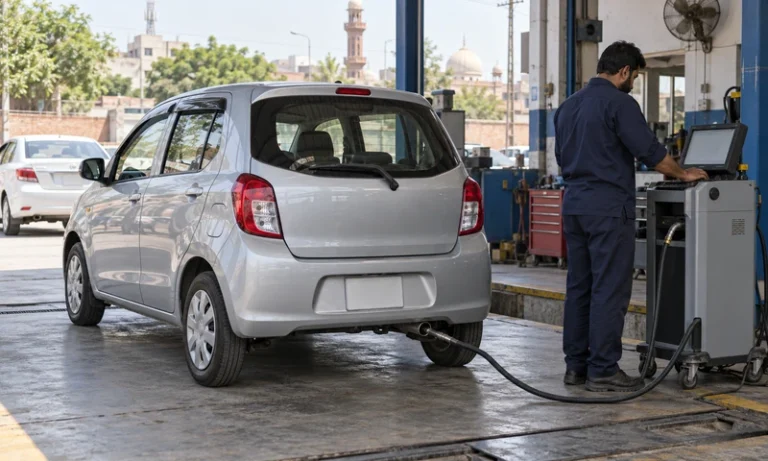
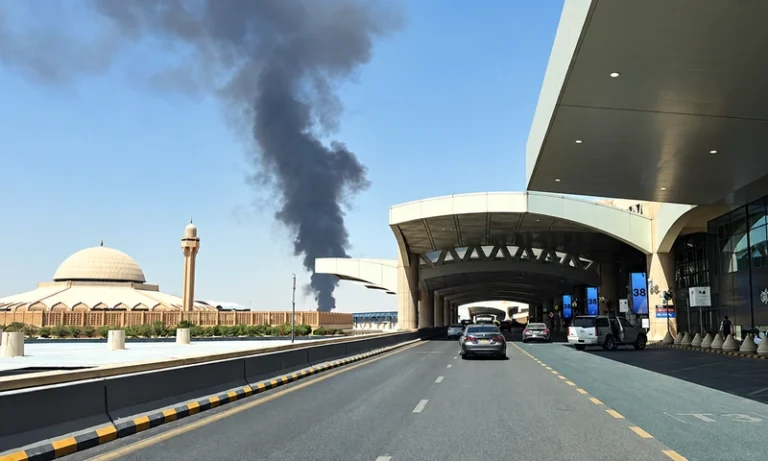
Referring to recent regional tensions, PM Shehbaz noted that oil prices had risen sharply in international markets. He said the government provided Rs128 billion in relief to consumers through fuel price measures.
The premier recalled that long queues formed at petrol stations in several countries during recent disruptions. In contrast, he said timely government action ensured uninterrupted fuel supplies in Pakistan.
The prime minister also highlighted ongoing consultations with provincial governments regarding the upcoming budget.
“The federal government was in consultations with provinces for several weeks for the upcoming budget,” he said.
According to PM Shehbaz, discussions focused on generating additional resources and improving fiscal management. He stressed that maximising available resources remains a key government objective.
He also reaffirmed the government’s commitment to the International Monetary Fund programme.
“We tried to meet the expectations of the people,” he said, adding that progress became possible through collective teamwork.
NEC Approves Development Budget and Growth Targets
During the meeting, Planning Minister Ahsan Iqbal briefed participants on budget proposals and key economic indicators.
He announced that the NEC had approved a Rs3.66 trillion national development budget and set a 4 percent GDP growth target for fiscal year 2026-27.
The approved development package includes Rs1 trillion for the federal Public Sector Development Programme, Rs2.21 trillion for provincial development spending and Rs451 billion for federal enterprises.
Read More: Budget 2026-27: Why Punjab and Sindh Agreed to Major Spending Cuts
Furthermore, the council approved a proposal to hold NEC meetings every quarter to improve policy coordination and implementation.
Iqbal said Pakistan’s development spending had fallen significantly over recent years.
“The Public Sector Development Programme has declined from 2.6% of GDP in 2018 to 0.6%,” he said.
He argued that Pakistan now requires a “development emergency” to accelerate growth and improve competitiveness.
Defence, Exports and Water Security Remain Key Priorities
The planning minister warned that debt servicing continues to place pressure on public finances.
According to Iqbal, nearly 74 percent of government revenue currently goes toward debt servicing.
“We will have to increase foreign investment and exports,” he said while discussing long-term economic priorities.
The NEC approved sector-specific targets for the next fiscal year. Agriculture growth has been set at 3.6 percent, industrial growth at 4.5 percent and services sector growth at 4.2 percent.
Meanwhile, policymakers fixed the inflation target at 8.2 percent.
Iqbal also identified water security as Pakistan’s foremost national priority.
The minister confirmed that the federal PSDP would focus on ongoing projects. Therefore, authorities will not launch new schemes except those related to education and defence.
PM Shehbaz also emphasised that ensuring adequate resources for national defence remains a key priority. He said Pakistan requires additional funding to address terrorism-related challenges and strengthen national security.
The NEC’s decisions will now shape the government’s development agenda as Pakistan prepares to unveil its budget and pursue growth targets for the next fiscal year.