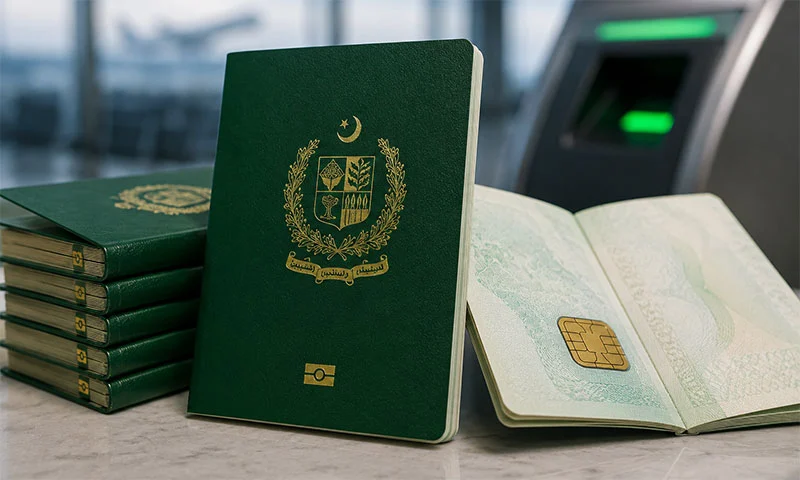
Pakistan has decided to gradually phase out machine-readable passports and move entirely to e-passports, Interior Minister Mohsin Naqvi announced on Friday, calling the move a major step towards stronger security, faster immigration processing and modern digital services.
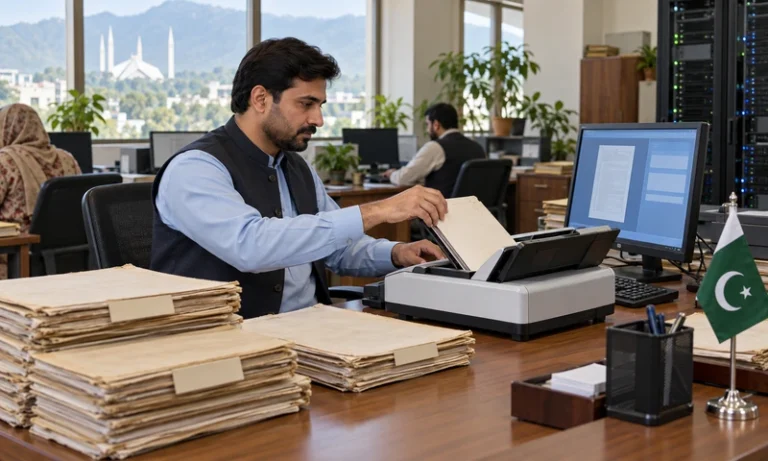
The decision emerged during a special meeting chaired by Naqvi at the Directorate General of Immigration and Passports headquarters in Islamabad.
Officials said the transition will improve document security, reduce fraud and align Pakistan’s travel documentation system with international standards.
“The complete transition to e-passports will end fraud and forgery related to passports,” Naqvi said during the meeting.
Director General Passports and Immigration Muhammad Ali Randhawa briefed the minister on ongoing reforms and future plans for passport services.
The meeting approved in principle the complete shift to e-passports. However, officials did not announce a deadline for phasing out machine-readable passports.
E-Passports to Offer Enhanced Security
Pakistan launched e-passports in 2022 as part of efforts to modernise travel documentation and improve compliance with global aviation standards.
An e-passport contains a secure electronic chip embedded in one of its pages. The contactless NFC chip stores biometric information, facial data, biographical details, a unique identification number and a digital signature.
Authorities say the technology makes forgery significantly more difficult and enables faster identity verification.
Pakistan’s e-passports comply with standards set by the International Civil Aviation Organisation (ICAO), the United Nations agency responsible for global aviation regulations.
The compliance allows Pakistani e-passport holders to use automated e-gate facilities at airports that support the technology. Officials expect this to reduce waiting times and speed up immigration procedures for travellers.
The Directorate General of Immigration and Passports has expanded e-passport issuance across the country in recent years as demand for the document continues to grow.
Cashless Payments and Home Delivery Planned
The meeting also approved several reforms aimed at improving passport services.
Officials decided that all passport offices will shift to a cashless payment system from July 1. The move will end manual cash handling through banks and streamline fee payments.
Randhawa informed the meeting that initial work on home delivery services for passport applicants in Pakistan and abroad had been completed.
“The process of providing passports at citizens’ doorsteps will start soon,” Naqvi said.
The government also plans to integrate the Pak ID platform into online passport applications. Officials say the measure will simplify submissions and reduce processing times.
Naqvi directed authorities to finalise a policy for business passports at the earliest opportunity in consultation with the Federal Board of Revenue.
The latest reforms form part of a broader government effort to digitise public services and improve service delivery through technology-driven solutions.
Officials believe the transition to e-passports, combined with cashless payments and home delivery, will modernise Pakistan’s passport system and make international travel more convenient for citizens.