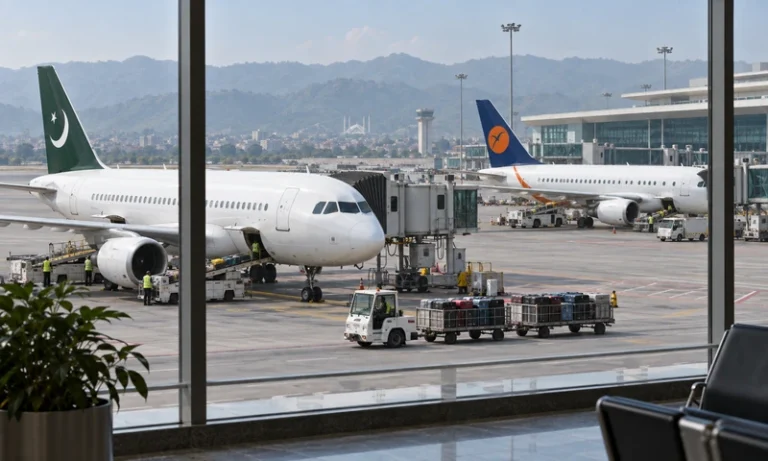
Pakistan and Iran have agreed to improve border facilities and keep commercial crossings open around the clock to increase bilateral trade.
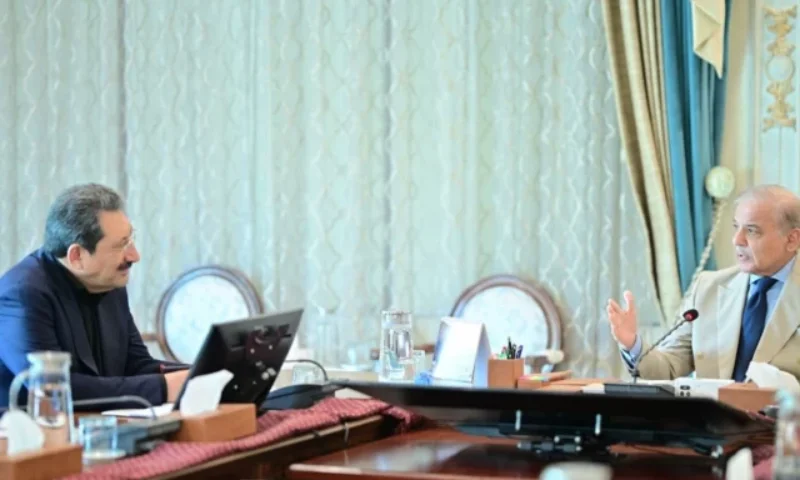
The agreement came during Prime Minister Shehbaz Sharif’s meeting with a six-member Iranian delegation in Islamabad on Wednesday. Iran’s Minister of Industry, Mine and Trade, Seyyed Mohammad Atabak, led the delegation.
Both sides agreed to strengthen logistics, harmonise customs procedures and remove obstacles affecting cargo movement across their shared border. They also decided to improve facilities needed for uninterrupted commercial operations.
“Pakistan views its relations with its esteemed neighbouring brotherly country, the Islamic Republic of Iran, with the highest regard,” Shehbaz said.
اسلام آباد: 5 اگست 2026۔
وزیراعظم محمد شہباز شریف سے اسلامی جمہوریہ ایران کے وزیر صنعت، کان کنی و تجارت سید محمد اتابک کی سربراہی میں 6 رکنی وفد کی اسلام آباد میں ملاقات ہوئی.
گفتگو کرتے ہوئے وزیرِ اعظم نے کہا کہ پاکستان اپنے بہترین ہمسایہ برادر ملک اسلامی جمہوریہ ایران کے ساتھ… pic.twitter.com/r1BNyYrAd2
— Prime Minister’s Office (@PakPMO) August 5, 2026
The measures form part of a broader effort to raise annual bilateral trade to $10 billion.
Border Facilities and Customs Cooperation
The prime minister said Pakistan would continue its “sincere efforts for peace in the region.”
He also referred to his recent discussion with Iranian President Dr Masoud Pezeshkian. The two leaders discussed lasting regional peace and stronger bilateral relations, particularly in trade.
Shehbaz expressed confidence that sustained work could help both countries achieve the $10 billion trade target. The target was set in 2025, when both governments agreed to increase trade from about $3.1 billion by 2028.
He said wider trade in food and agricultural products would benefit both economies.
Read More: $37.5 Billion Spent on Iran War as Trump Seeks $90 Billion More
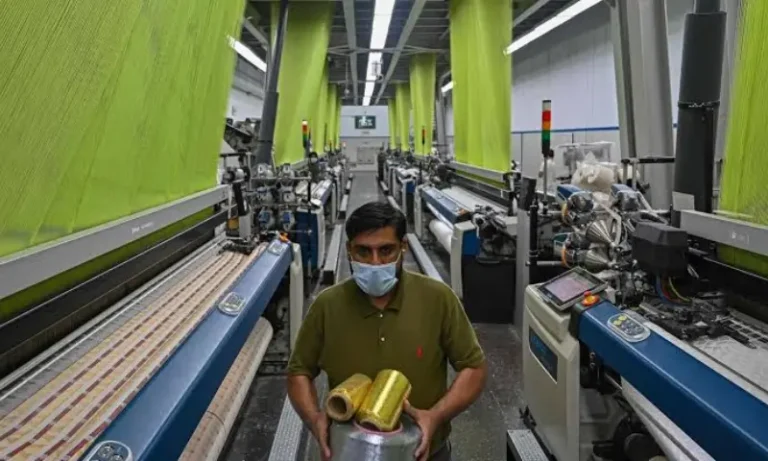
Pakistan traditionally exports rice, meat, textiles, fruit and surgical goods to Iran. Iranian exports have included chemicals, plastics, petroleum products, iron and steel.
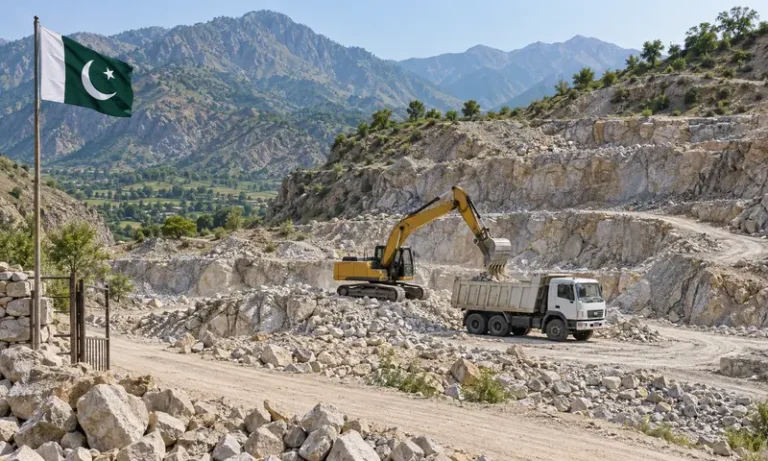
The two governments also agreed to expand mining cooperation. Their discussions focused on precious stone processing and value addition.
Recent bilateral talks have covered border markets, electronic data exchange and faster cargo movement. Both sides also want stronger trade links through Karachi and Gwadar ports.
Pakistan has declared Taftan Railway Station a customs clearance station. Officials have also discussed reviving the Islamabad, Tehran and Istanbul freight train service.
Free Trade Agreement Talks Continue
Atabak thanked Pakistan for the warm welcome and hospitality. He praised the Pakistani leadership and people for their diplomatic efforts to promote regional peace.
The Iranian minister also thanked Pakistan for expressing solidarity with Iran. He said Tehran wanted to further expand economic and commercial relations with Islamabad.
Atabak confirmed that technical-level negotiations on a bilateral free trade agreement were underway.
A completed agreement could establish clearer tariff rules and improve market access for businesses in both countries.
Read More: Iran-Backed Group Offers Millions for Trump’s Killing
At the Joint Trade Committee meeting this week, Atabak described Pakistan as a long-term strategic trade partner. He also expressed interest in expanding Iranian trade through Karachi and Gwadar ports.
Pakistan and Iran have already introduced several trade facilitation measures. Pakistan notified new transit routes, eased some land export requirements and expanded customs arrangements at border crossings.
Financial restrictions on Iran still limit formal banking channels and remain a major obstacle to faster trade growth. Both governments have explored barter arrangements and border markets to support legal commerce.
Shehbaz conveyed goodwill to Iran’s Supreme Leader and President Pezeshkian. The meeting ended with both sides pledging continued technical work on customs, logistics, mining and the proposed trade agreement.