

Narendra Modi and leaders of the United Arab Emirates agreed on a framework for a strategic defence partnership on Friday as both countries moved to deepen security and energy cooperation amid continuing instability in the Gulf region.
According to a statement from India’s foreign ministry, the agreement covers defence industrial collaboration, maritime security, cyber defence, military training and advanced technology cooperation.
“The two sides have agreed on deepening defence industrial collaboration and cooperation on innovation and advanced technology, training, exercises, maritime security, cyber defence, secure communications and information exchange,” the ministry said.
Read More: India Faces Economic Shock as Modi Warns Citizens to Cut Spending
The agreement came during Modi’s visit to Abu Dhabi as regional tensions linked to the Iran conflict continue reshaping geopolitical alliances and energy strategies across the Middle East.
India and the UAE also signed agreements on strategic petroleum reserves and supplies of liquefied petroleum gas.
Before the visit, Indian officials told Reuters that Modi planned to discuss long-term energy supply arrangements and seek support for expanding India’s strategic oil reserves.
The UAE, India’s third-largest trading partner, has become increasingly important for New Delhi’s energy security strategy.
Earlier this year, both countries signed a $3 billion liquefied natural gas agreement.
The two sides also signed a letter of intent in January to work toward a formal strategic defence partnership.
Iran conflict and Hormuz disruption reshape regional ties
The latest agreements come as the US-Israeli war against Iran enters its third month.
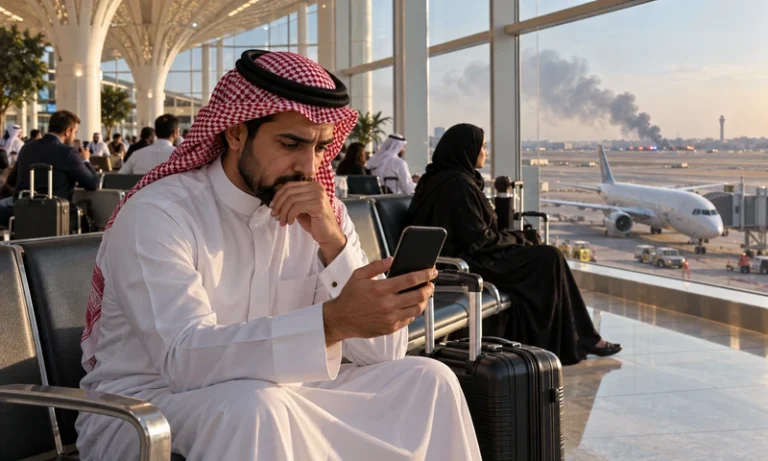
The conflict has disrupted regional trade and energy markets, particularly after the closure of the Strait of Hormuz.
The waterway handles nearly 20% of global oil shipments and remains one of the world’s most critical energy chokepoints.
Read More: Pakistan Rejects Claims of Targeted Deportations From UAE
Iranian missile and drone strikes previously targeted Gulf countries, including the UAE, before a fragile ceasefire emerged last month.
Analysts say Gulf states have accelerated defence and energy partnerships to protect supply chains and strengthen regional security coordination.
The UAE’s recent decision to leave OPEC could also increase oil production and help major importers such as India secure stable supplies.
Pakistan-Saudi ties remain part of regional calculations
The Indian foreign ministry’s announcement also highlighted fresh UAE investments worth $5 billion in India.
The statement pointed to deals including Emirates NBD’s acquisition of a 60% stake in RBL Bank for $3 billion and Abu Dhabi-based IHC’s $1 billion investment in Sammaan.
Meanwhile, regional analysts say India’s growing Gulf outreach also reflects concern over strengthening Pakistan-Saudi strategic cooperation.
Read More: Big Relief or Bigger Pressure? Pakistan Repays $2 Billion to UAE
Last year, Pakistan and Saudi Arabia signed a mutual defence agreement. Pakistan has also emerged as a key mediator between Washington and Tehran during efforts to end the Iran conflict.
Islamabad recently increased defence coordination with Riyadh after Iranian missile and drone attacks targeted Saudi infrastructure.
Saudi Arabia last month pledged an additional $3 billion in financial support to Pakistan to help cover upcoming debt repayments to the UAE.
Experts say the rapidly changing Gulf security environment continues pushing regional powers to strengthen alliances focused on defence, energy and trade stability.