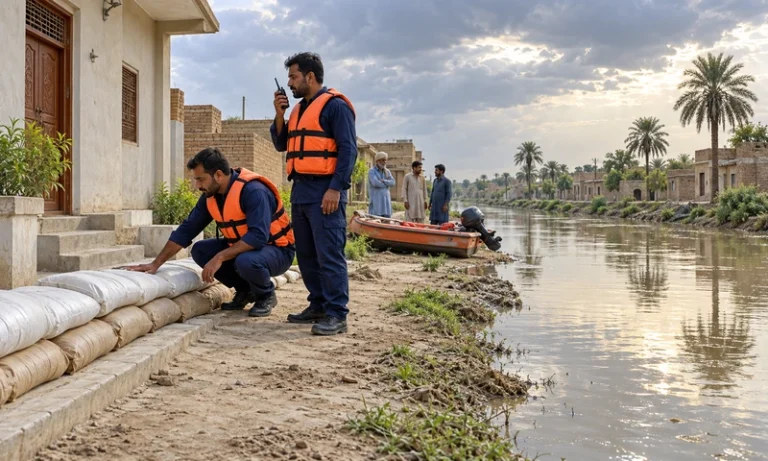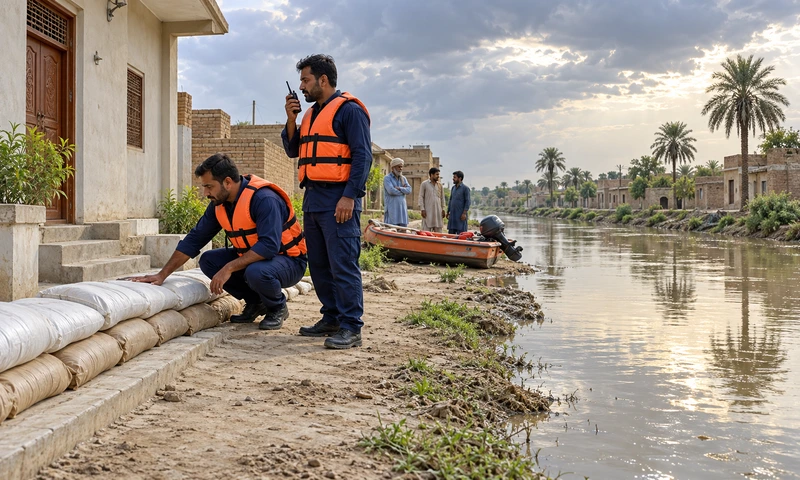
Sindh authorities have called for stronger early warning systems, safer construction and closer coordination among emergency services as climate-related hazards intensify.
Sindh Chief Minister’s Adviser on Rehabilitation Giyanchand Essrani and Provincial Disaster Management Authority Director-General Salman Shah outlined the priorities. Their messages marked the International Day for Disaster Risk Reduction on October 13.
Both officials stressed advance planning, early identification of hazards and timely emergency response to protect vulnerable communities and reduce property damage.
Early warnings and coordinated rescue operations
Essrani said proactive planning, public awareness and stronger institutional capacity could reduce disaster losses. Climate change had increased the importance of effective risk-reduction strategies, requiring departments and emergency services to coordinate closely.
He highlighted modern technology, early warning systems and rapid response mechanisms as essential tools for improving Sindh’s preparedness.
Read More: Pakistan’s Unfrozen Glacial Lakes Jump From 40 to 105, Raising Flood Concerns
PDMA’s planning and response operations remained central to limiting losses, he said. He also recognised Rescue 1122’s role in saving lives through timely emergency services.
The adviser called for effective coordination among PDMA, Rescue 1122 and mobile health units. Closer cooperation would help emergency teams deliver assistance more efficiently and reach affected populations promptly.
His message linked preparedness with the practical delivery of rescue, relief and healthcare during emergencies.
Keep natural floodwater channels clear
Shah urged authorities and citizens to address disaster risks before they develop into emergencies. He placed particular emphasis on hazard identification, preventive planning and construction safety.
People building homes and other structures should consider heavy rainfall, flooding and extreme heat when making construction decisions, he said.
Read More: Rising Winter Heat Could Trigger Glacier Floods in Pakistan
He also urged careful site selection to ensure buildings do not obstruct natural floodwater channels. Keeping these routes clear would help reduce threats to lives and property.
Safe, sustainable and environmentally friendly construction practices could reduce communities’ exposure to climate-related hazards, Shah added.
The focus on housing aligns with this year’s UN disaster risk reduction theme, “Resilience Starts at Home”. The United Nations Office for Disaster Risk Reduction selected the theme to promote safer homes and stronger community preparedness.
Scientific risk assessment gains attention
Under Essrani’s supervision, PDMA is focusing on modern scientific technologies for risk assessment, early warnings and preparedness, Shah said.
Protecting lives and providing timely relief to disaster-hit communities remain the authority’s foremost priorities. The approach seeks to strengthen prevention alongside emergency response.
Separately, PDMA’s official website records an October 6 meeting with a World Bank delegation concerning the proposed Sindh Flood Resilience Project. Participants discussed disaster risk assessment, preparedness, response and resilience across the province.
Sindh’s exposure was stark during Pakistan’s 2022 floods. A government-led assessment involving the World Bank and other development partners attributed nearly 70% of nationwide damages and losses to Sindh.
Across Pakistan, that assessment estimated damage above $14.9 billion and economic losses of about $15.2 billion.
The officials’ latest messages emphasised prevention through informed construction choices, public awareness, reliable warnings and institutional coordination before hazards become emergencies.