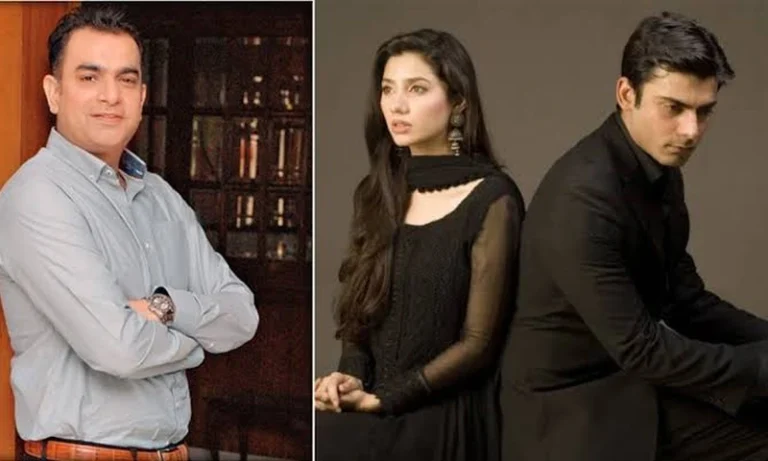

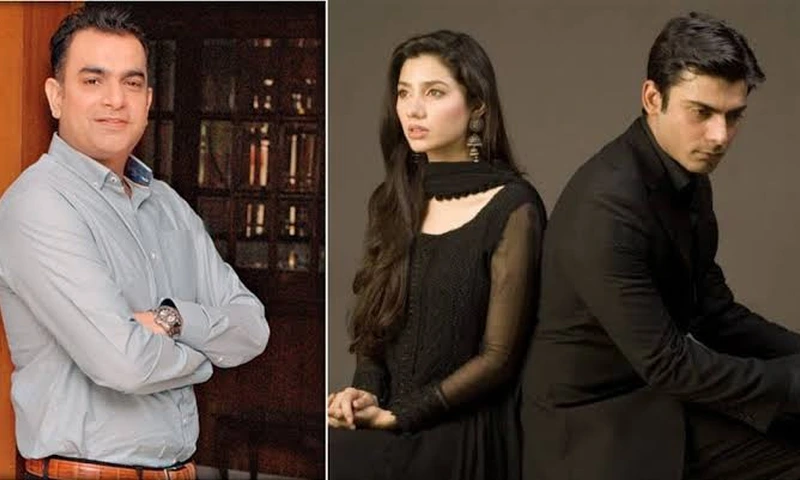
Filmmaker Sarmad Khoosat has renewed calls for royalty payments after HUM TV announced a Spanish-language release of his drama Humsafar.
The director shared the broadcaster’s announcement on his Instagram story on Tuesday, October 20. He added “If only there were royalties” alongside a blank-faced emoji.
His brief response highlighted a longstanding concern in Pakistan’s entertainment industry: popular productions continue reaching new audiences without recurring payments to their creators.
The Spanish dubbing announcement gives Humsafar another international outlet roughly 15 years after its original television run. However, Khoosat’s post focused on whether the people behind that success benefit financially when broadcasters reuse their work.
Mahira Khan highlighted junior artists’ struggles
Khoosat’s remarks follow an earlier intervention from Humsafar star Mahira Khan, who discussed royalties during film promotions in March.
Appearing with Fahad Mustafa on Gup Shab With Vasay Chaudhry, Khan spoke about the difficulties facing supporting performers and technicians. The actors were promoting Aag Lagay Basti Main.
Read More: After Kamli, Lali Brings Sarmad Khoosat Another DC Festival Win
Khan explained that established stars such as herself and Mustafa could manage without recurring payments. Junior artists and other production workers often lacked that financial cushion.
Her argument centred on the gap between broadcasters’ continuing earnings and the limited compensation available to those who helped create their programmes. She urged attention to workers whose contributions rarely bring the financial security enjoyed by leading performers.
How Pakistan lost its royalty system
Royalties, often called residuals in television, compensate eligible creative workers when programmes return to screens or enter additional distribution markets.
Depending on contracts and industry arrangements, recipients can include actors, directors, writers, producers and other contributors. Some payment schedules decline with successive reruns before reaching a minimum recurring amount.
Read More: Pakistan wants more space on Netflix and here’s why it matters
Pakistan previously operated a royalty system through state broadcaster PTV. However, veteran performers told Dawn in 2021 that actors traded recurring payments for higher upfront fees during the early 1990s.
Several later regretted that decision. The arrangement helped establish a payment model that private broadcasters subsequently followed.
Actor Ali Kazmi also told Dawn that overseas productions regularly paid him royalties unless his contract specified a one-time buyout. He contrasted that experience with his Pakistani work.
Naila Jaffery’s appeal brought national attention
The debate gained particular urgency in 2021 when actor Naila Jaffery described financial difficulties while undergoing cancer treatment.
Jaffery, who later died, explained that payments from repeat broadcasts could have helped cover her medical expenses. Her appeal brought the consequences of missing royalties into public discussion.
The issue subsequently reached Parliament. In January 2022, a Senate committee asked PTV to explain why it had discontinued royalties.
Committee chairman Faisal Javed urged the broadcaster to take steps towards payments and report on a proposed mechanism. That earlier intervention shows how long the demand has remained on the industry’s agenda. Khoosat’s latest post brings it back into focus through another overseas release.