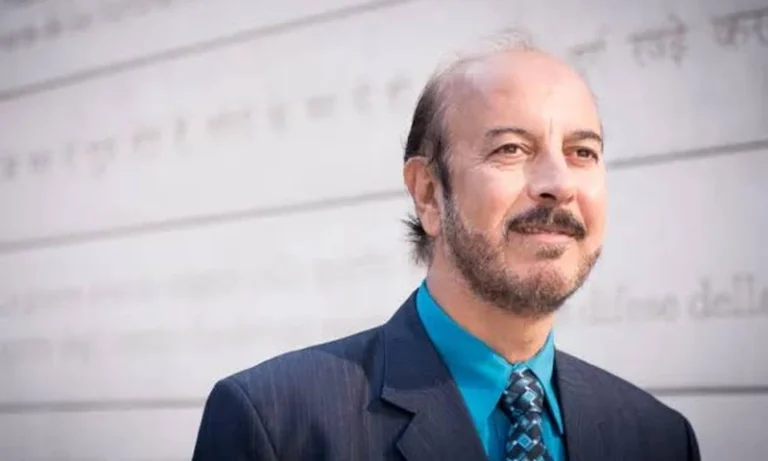
Private investors must help tackle the worst consequences of climate change, UN Development Programme chief Alexander De Croo said. He argued that preventing economic damage offered a clear commercial incentive.
“We see that the impact of climate has an economic cost. Avoiding that cost has a business case,” he said.
De Croo made the remarks to AFP during the IMF-World Bank Annual Meetings in Bangkok. His appeal comes as developing countries struggle with expensive energy, rising borrowing costs and shrinking international aid.
The former Belgian prime minister warned that repeated crises had left governments little time to rebuild their financial reserves. Many had introduced broad energy subsidies, but their limited resources made those measures increasingly difficult to sustain.
Debt pressures limit climate spending
According to UNDP figures cited by AFP, the median developing country now spends about 9.5% of government revenue on interest payments. That represents the highest level in 25 years and exceeds the equivalent burden in high-income countries by more than three times.
The agency also warned that higher food and energy prices could push around 130 million people into poverty this year. That estimate assumes governments pass the increases through fully without subsidies.
South and East Asia and sub-Saharan Africa face particular risks, adding urgency to efforts to secure financing.
Climate adaptation faces a funding gap
UNDP estimates that developing countries will need between $310 billion and $365 billion annually for climate adaptation by 2035. Adaptation involves preparing communities, infrastructure and economic activity for climate impacts.
However, international public adaptation finance amounted to approximately $26 billion in 2023, according to the agency.
Private finance remains another major gap. UNDP says businesses and investors provide more than half of global finance for reducing emissions. Yet they contribute only 1% to 2% of adaptation spending.
That imbalance leaves protection against climate damage heavily dependent on public resources, even as governments face competing spending demands.
Insurance partnership targets emerging markets
A separate announcement in Bangkok showed how financial institutions plan to expand private-sector participation.
On October 13, insurer Generali and the World Bank Group signed a memorandum of understanding covering investment and insurance in emerging markets. Their plans include agricultural and crop insurance, alongside stronger protection against disasters and climate risks.
The insurance work will initially focus on Asian markets. The partners also intend to develop investment opportunities that attract institutional capital into frontier and emerging economies.
Generali said those opportunities would need to meet its investment requirements. The announcement therefore sets out areas for cooperation, rather than a completed funding commitment.
De Croo participated alongside World Bank Group President Ajay Banga in the event associated with the announcement. The proposed work links his appeal for private capital to specific areas of financial protection, including farming and disaster recovery.